
Thailand vaccinations are recommended, not required. The only certificate Thailand asks for is yellow fever, and only from travellers arriving from a country at risk. UK and US health agencies advise hepatitis A for most visitors, typhoid in some cases, and other vaccines depending on how long you stay and what you do. Advice was checked on 14 November 2026.
Do you need vaccinations for Thailand? Required versus recommended
For entry, no. Thai immigration does not check vaccines, except a yellow fever certificate for people coming from risk countries. The Digital Arrival Card you fill in before landing asks about your route for that reason. What you show at the border is your passport and, where needed, a visa, as set out in the Thailand tourist visa rules.
For your health, yes, some vaccines make sense. The UK and the US agree on the core and differ on details, which is why two friends booking the same trip from London and New York can get different advice.
| Vaccine | UK advice (NaTHNaC) | US advice (CDC) |
|---|---|---|
| Hepatitis A | Most travellers | Unvaccinated travellers from age 1 |
| Tetanus | Most travellers, booster if the last dose was over 10 years ago | Routine, every 10 years |
| Typhoid | Some travellers, at higher risk | Most travellers |
| Hepatitis B | Could be considered for all, advised for long stays and some activities | Unvaccinated travellers under 60 |
| Rabies, before travel | Stays over a month, cyclists, runners, remote areas | Case by case with a doctor |
| Japanese encephalitis | A month or more in rural areas, or risky itineraries | A month or more, or rural trips with more exposure |
| Cholera | Not listed for Thailand | Not recommended |
| Dengue (Qdenga) | Possible, mainly after a past dengue infection | Not available in the US |
| Yellow fever | Certificate only from risk countries | Not recommended, certificate only from risk countries |
Sources: TravelHealthPro country page for Thailand and CDC Travelers' Health, both read on 14 November 2026.
Thailand vaccinations at a glance: who, how many doses, how early
The table gives the usual adult schedules. Brands and intervals vary, and a clinic may shorten a course when time is short.
| Vaccine | For whom | Doses | Finish before departure |
|---|---|---|---|
| Routine (MMR, tetanus, diphtheria, polio) | Everyone | Check your record | MMR at least 2 weeks before |
| Hepatitis A | Most travellers | 1, then a booster 6 to 12 months later | Ideally 2 weeks |
| Typhoid | US: most travellers. UK: higher risk | 1 injection | 2 weeks |
| Hepatitis B | Long stays, sex with new partners, medical or dental care | 3 over 6 months, or a fast course over 3 weeks | Start months ahead |
| Rabies, before exposure | Over a month, cycling, running, remote areas, animals | 3 in the UK, 2 in the US | 3 to 4 weeks in the UK, 1 week in the US |
| Japanese encephalitis (Ixiaro) | A month or more outside cities, rice-growing areas | 2, 7 to 28 days apart for adults aged 18 to 65 | Second dose 1 week before |
| Dengue (Qdenga) | UK case by case. Not in the US | 2, three months apart | Start 3 months or more ahead |
| Yellow fever | Only from the 42 listed countries | 1, valid for life | 10 days before arrival |
Routine vaccines to check before a trip to Thailand
Both countries start with the vaccines you had as a child. NaTHNaC asks UK travellers to be up to date with the UK schedule, notably MMR and the diphtheria, tetanus and polio vaccine. The CDC list adds chickenpox, flu, shingles for older adults and COVID-19.
Measles is the one to look at. NaTHNaC rates the risk in Thailand higher than in the UK, and the CDC has kept a global measles notice since May 2025. Babies from six months who will mix with local people can get an early MMR dose.
Vaccines for most travellers to Thailand: hepatitis A, typhoid and tetanus
Hepatitis A
Hepatitis A spreads through food, water and close contact. It is the one vaccine both the UK and the US advise for almost every visitor. One dose, ideally two weeks before you leave, protects for the trip, and a second dose 6 to 12 months later gives long-lasting protection.
Typhoid
The CDC recommends typhoid for most travellers to Thailand. NaTHNaC keeps it for those at higher risk: long stays, frequent trips, visiting friends and relatives, or places with poor food hygiene. A single injection is given at least two weeks before travel, and it is not 100% effective, so food and water care still matters.
Tetanus
Tetanus enters through wounds, scratches and bites. In the UK, a booster is advised if your last dose was more than ten years ago and medical care may be limited where you go. Clean any wound well and get it seen, including animal bites and scratches.
Vaccines for Thailand depending on your trip
These depend on how long you stay, where you sleep and what you do. A two-week holiday split between Bangkok and a beach rarely calls for them. A month of cycling in the north often does.
Hepatitis B
Thailand has an intermediate or high prevalence of hepatitis B, says NaTHNaC. It spreads through blood and sex, including tattoos, piercings and medical or dental work with unsterile equipment. The CDC recommends it for all unvaccinated travellers under 60.
The usual course is three doses over six months. A fast schedule over three weeks exists, with a fourth dose a year later, and in the US a two-dose vaccine given one month apart.
Rabies vaccine before you go
Pre-exposure rabies vaccine does not remove the need for treatment after a bite. It makes that treatment simpler and avoids rabies immunoglobulin, which NaTHNaC says is in short supply worldwide. The UK advises it for stays over a month, runners and cyclists, work with animals and areas far from care.
UK clinics give three doses over three to four weeks. The CDC uses two doses, a week apart. The CDC adds that rabies vaccine is available in most of Thailand after an exposure, which is why many short-stay tourists skip it.
Japanese encephalitis vaccine
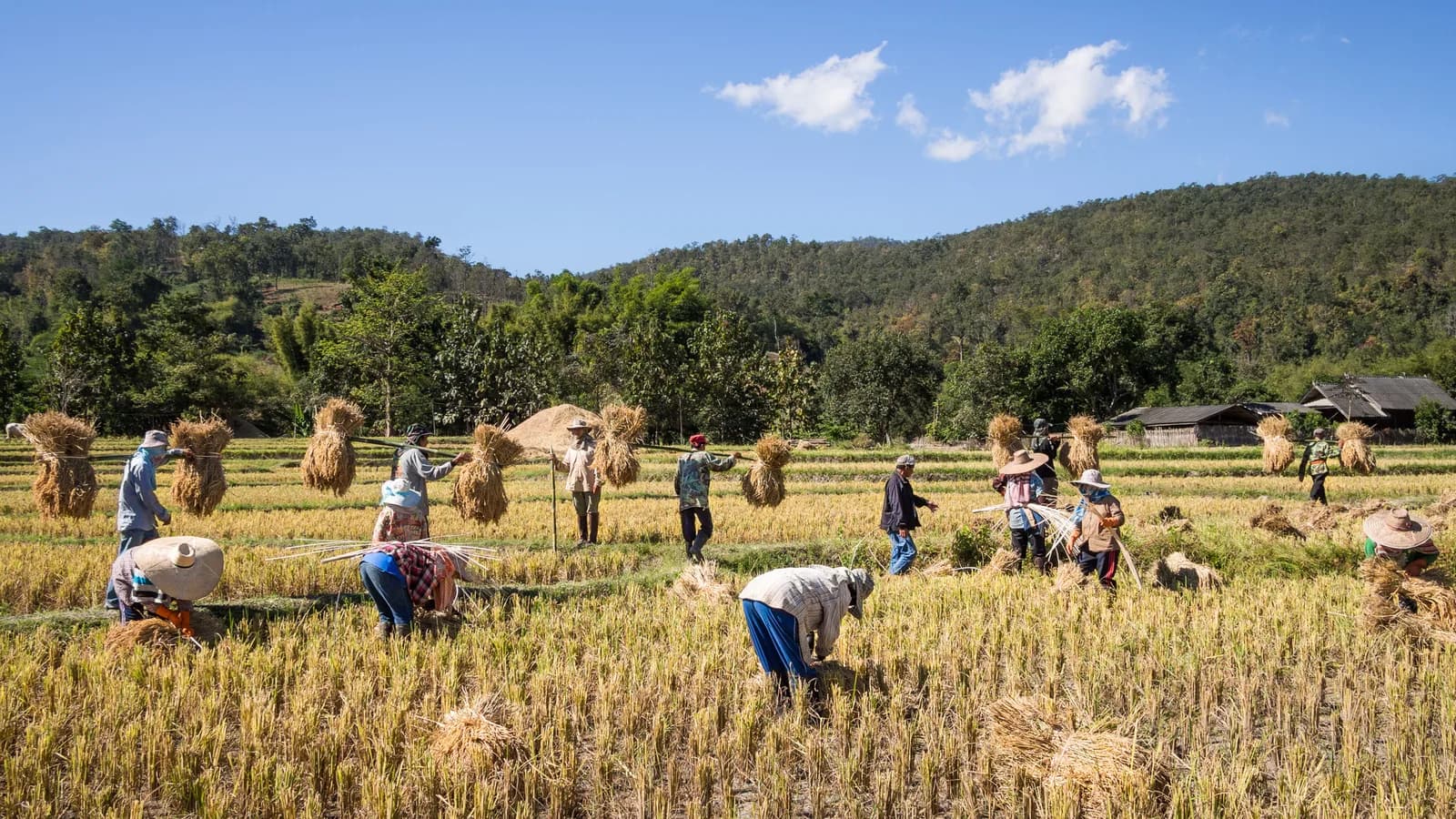
Japanese encephalitis is a virus carried by mosquitoes that bite from dusk to dawn, mainly near rice fields and pig farms. NaTHNaC says it occurs across Thailand all year, with peaks from May to October, especially in the north and the Chiang Mai valley.
Both agencies advise the vaccine for a month or more in risk areas, and consider it for shorter rural trips. The CDC Yellow Book notes cases in travellers who only visited southern resorts. Ixiaro takes two doses, the second at least a week before departure. If you plan to trek around Chiang Mai in the rainy season, raise it with your clinic.
Cholera and chikungunya
Cholera vaccine is not recommended for Thailand by the CDC, which reports no active transmission. Some UK clinics still offer it for rural trips with poor sanitation. Chikungunya is a mosquito virus that doubled in 2025, with 1,379 cases and Chiang Mai worst hit. A vaccine may be considered for stays of six months or more, says the CDC.
Yellow fever certificate for Thailand: who needs one
There is no yellow fever in Thailand, but the country can import it. A certificate is required from travellers aged 9 months or more who arrive from a risk country, or who spent more than 12 hours in transit at an airport in one. Coming straight from the UK, the US or Europe, you need nothing.
Thai embassies publish a list of 42 countries declared yellow fever infected areas:
- Africa: Angola, Benin, Burkina Faso, Burundi, Cameroon, Central African Republic, Chad, Democratic Republic of the Congo, Republic of the Congo, Côte d'Ivoire, Equatorial Guinea, Ethiopia, Gabon, Gambia, Ghana, Guinea, Guinea-Bissau, Kenya, Liberia, Mali, Mauritania, Niger, Nigeria, Senegal, Sierra Leone, South Sudan, Sudan, Togo and Uganda.
- Americas: Argentina, Bolivia, Brazil, Colombia, Ecuador, French Guiana, Guyana, Panama, Paraguay, Peru, Suriname, Trinidad and Tobago and Venezuela.
The list above is the one on the Royal Thai Embassy in London's site, last updated in November 2022, so check it again before you fly. The certificate becomes valid 10 days after vaccination and then lasts for life, under WHO rules in force since July 2016.
Malaria in Thailand: border areas only, and the UK and US disagree on tablets
There is no malaria vaccine for travellers. The risk in Thailand is real but narrow: forests along the borders with Myanmar, Cambodia, Laos and Malaysia. Cities and beaches are almost free of it.
| Area | UK (NaTHNaC) | US (CDC) |
|---|---|---|
| Rural forested borders | Low risk, bite avoidance, no tablets | Tablets for provinces bordering Myanmar, Cambodia and Malaysia |
| Kanchanaburi and the rest of the country | Very low risk, bite avoidance | No tablets |
| Bangkok, Chiang Mai, Chiang Rai, Koh Samui, Koh Phangan, Pattaya | No risk | Rare cases or none, no tablets |
| Phuket and the Krabi islands | Very low risk, like the rest of the country | Rare cases in Phuket, none on Koh Lanta, Koh Phi Phi and Koh Yao |
When the CDC advises tablets, it lists atovaquone-proguanil, doxycycline or tafenoquine. In the UK, tablets for Thailand may be considered only in special cases, such as pregnancy, people over 70 or without a working spleen. A fever in the year after a trip to a border area means a malaria test, whatever you took.
Dengue in Thailand in 2026 and the Qdenga vaccine
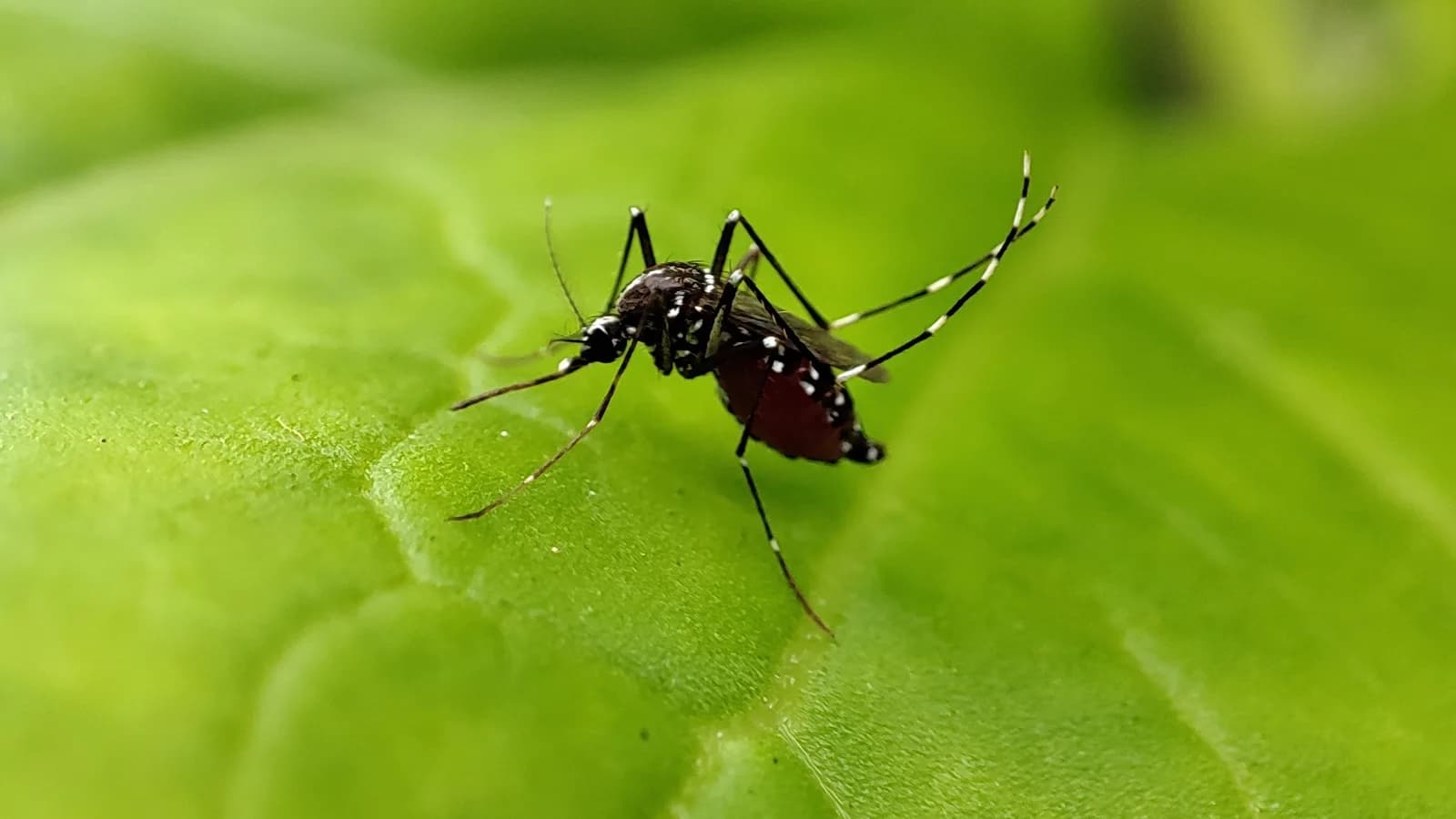
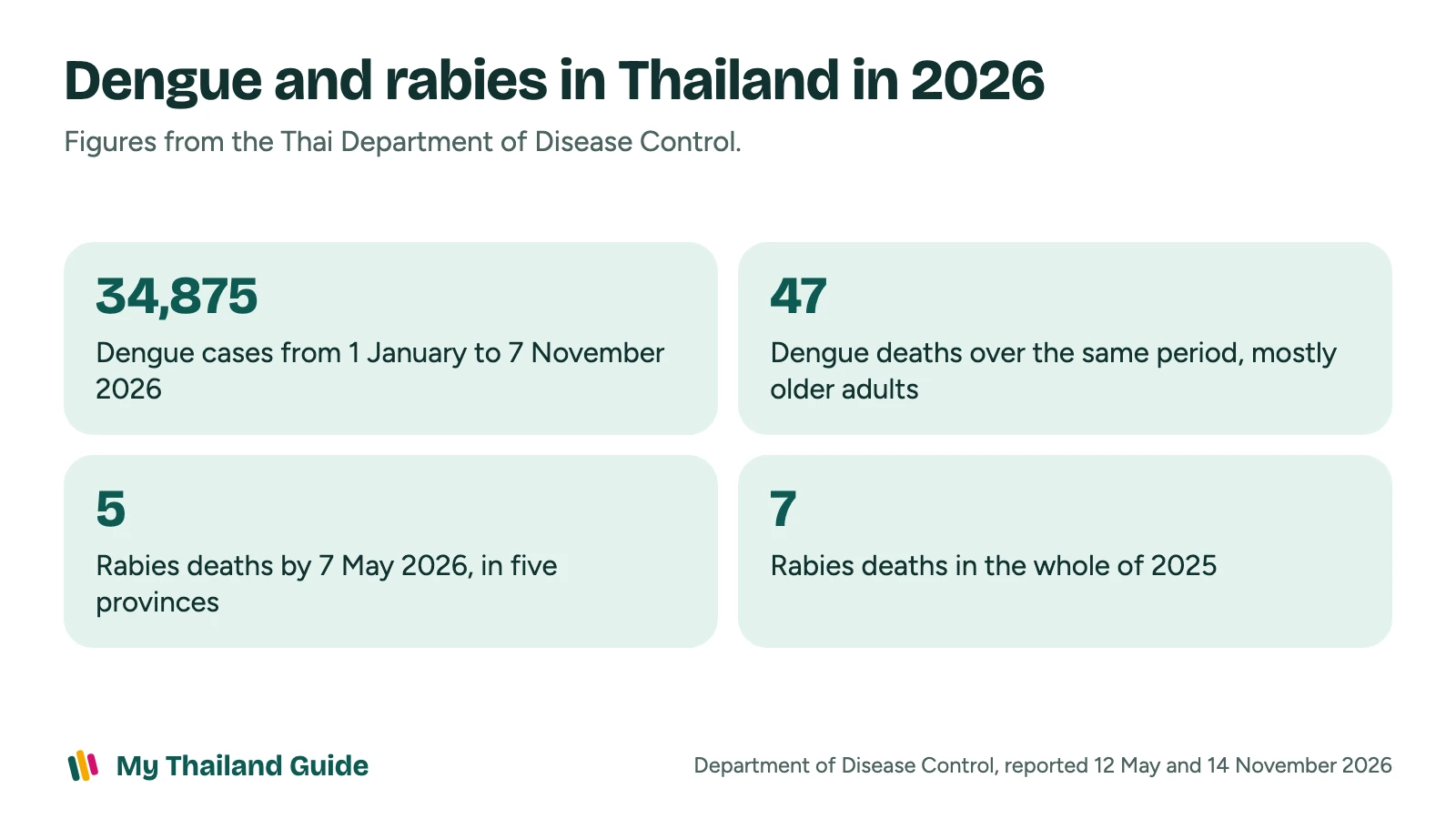
Dengue is the mosquito infection a visitor is most likely to meet. The Department of Disease Control counted 34,875 cases and 47 deaths from 1 January to 7 November 2026, fewer than in 2025, which had 51,795 cases by the end of October. Most deaths were older adults.
The weekly peak in August 2026 was about 1,450 cases, against 2,700 a year earlier. The south reported more cases than usual, possibly after heavy rain, and reports rose again in October. Dengue peaks in the Thai rainy season, from about May to October.
Is there a dengue vaccine for Thailand?
Yes, Qdenga, given in two doses three months apart. Who should get it depends on the country.
- UK: NaTHNaC says it can be considered from age 4 for people who have had dengue before. For everyone else it may be considered after a detailed talk with an experienced travel clinician.
- US: Qdenga is not available or recommended. Its maker withdrew the FDA application in 2023, and Dengvaxia, the other vaccine, is no longer available, the CDC said in a page reviewed on 31 August 2026.
- Thailand: it is sold locally. The Thai Travel Clinic in Bangkok lists it at 1,827 THB a dose in October 2026.
With or without the vaccine, repellent decides most of it. The mosquito bites by day, in towns as much as in the countryside, so use DEET or picaridin and choose rooms with screens or air conditioning.
Rabies in Thailand: dogs, monkeys and what to do after a bite
Rabies is still present in Thai dogs, cats and monkeys. The Department of Disease Control reported 5 human deaths by 7 May 2026, in Rayong, Nakhon Ratchasima, Chachoengsao, Ubon Ratchathani and Tak, against 7 in the whole of 2025. Most of those who died, says the department, had no vaccine after the bite.
Infected animals keep turning up. In February 2026 the Thai government reported 50 positive animals in seven weeks, and Nakhon Ratchasima counted 48 by November. Bangkok issued a rabies alert for several districts in September 2025.
Monkeys at Lopburi and temples
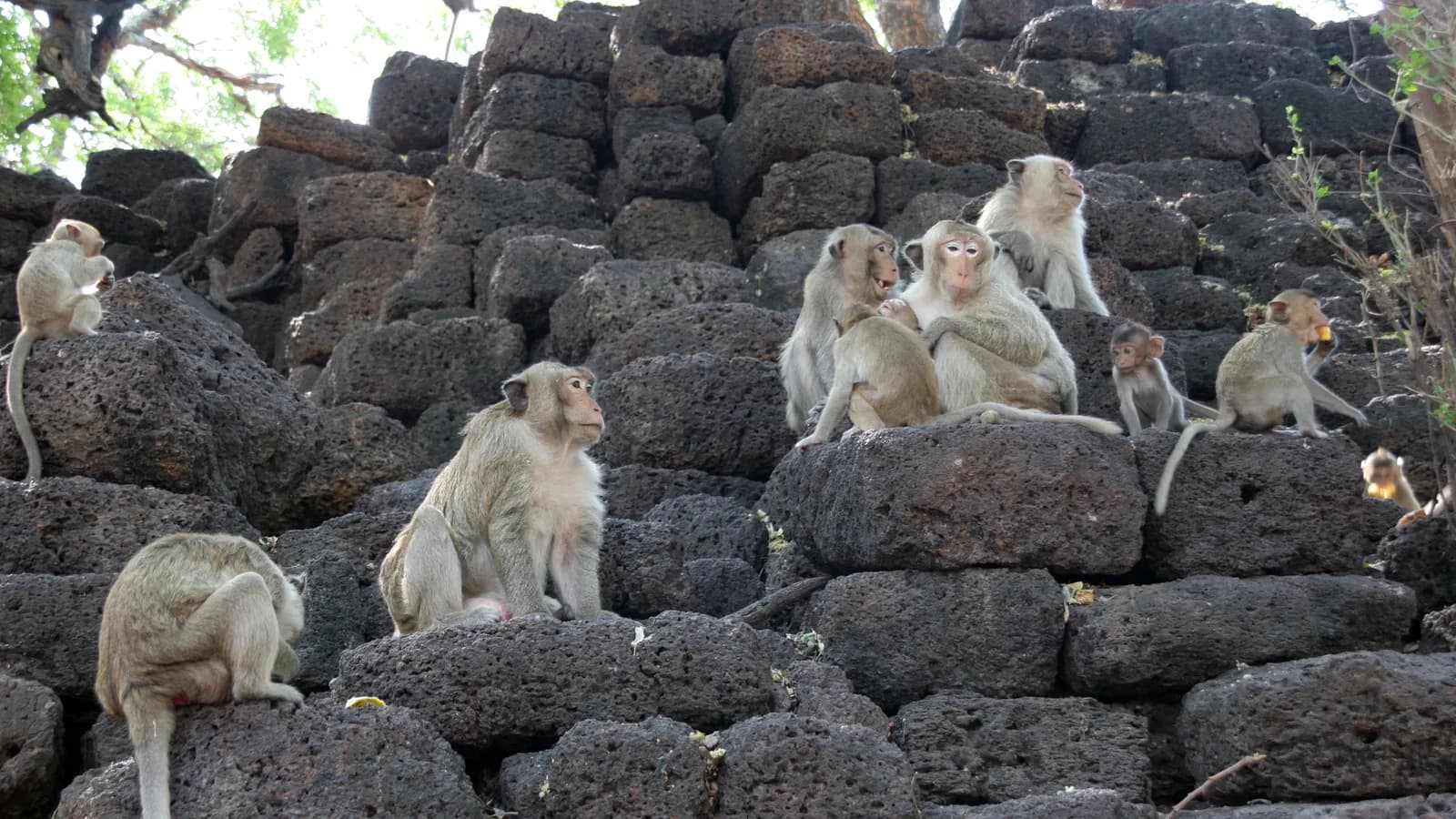
Macaques live around temples, viewpoints and beaches, and the CDC warns that they can also carry B virus. At Lopburi, on the day trips from Bangkok, the authorities have caught more than a thousand monkeys since 2024, but some still roam the town.
Do not feed, touch or carry food near them, and keep bags closed. Our page on whether Thailand is safe gives the same advice for dogs on beaches and in villages.
After a bite, scratch or lick on broken skin
- Wash the wound with soap and running water for about 20 minutes.
- Go to a hospital the same day, even for a small scratch, and say if you had a rabies vaccine before.
- Never vaccinated: you need rabies immunoglobulin and a full vaccine course.
- Vaccinated before the trip: two booster doses, without immunoglobulin.
- Keep the record card and finish the course at home if you fly back.
The CDC Yellow Book says rabies vaccine and immunoglobulin are available in all provincial and most district hospitals. After a bite, travel insurance usually matters more than the vaccine price, as our guide to travel insurance for Thailand explains.
When to get vaccinated for Thailand and what it costs
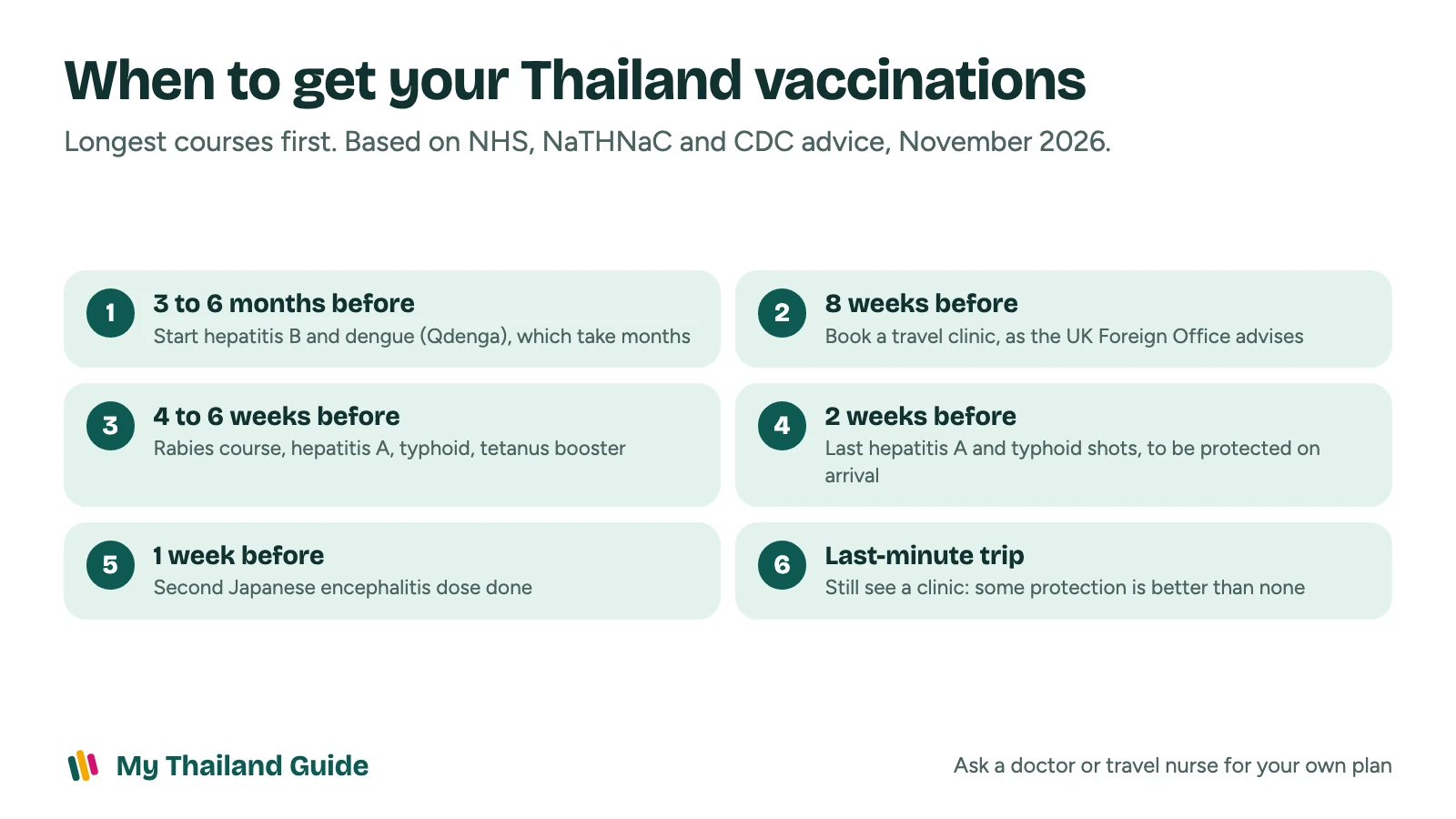
Book the appointment four to eight weeks before you fly. The NHS says at least four to six weeks, the UK Foreign Office eight weeks, and the CDC at least a month. If you leave sooner, go anyway: hepatitis A and typhoid still help.
In the UK: what the NHS pays for
Hepatitis A, typhoid, cholera and the polio booster, given with tetanus and diphtheria, are free at a GP surgery. Hepatitis B, Japanese encephalitis, rabies and yellow fever are paid, at a private clinic or pharmacy.
| Vaccine | Price per dose | Full course |
|---|---|---|
| Hepatitis A | £67 | £67 for the first dose |
| Typhoid | £42 | £42 |
| Tetanus, diphtheria and polio | £38 | £38 |
| Hepatitis B | £52 | £156 for 3 doses |
| Japanese encephalitis | £117 | £234 for 2 doses |
| Rabies | £82 | £246 for 3 doses |
Prices from Superdrug Health Clinics' Thailand page, read on 14 November 2026. Other pharmacies charge differently, and the free NHS vaccines cost nothing at your GP.
In the US
Travel vaccines are given at travel clinics, pharmacies and some doctors' offices, and the CDC has a clinic finder. Whether your health plan pays for travel vaccines depends on the plan, so ask your insurer before the appointment.
Where to get vaccinated in Thailand, and prices in baht
Vaccines cost far less in Bangkok than in London or New York. It suits expats, long-stay travellers and anyone who needs a second dose during the trip, though the first doses are best done before you leave.
Queen Saovabha Memorial Institute, Thai Red Cross
The Thai Red Cross institute at 1871 Rama IV Road, near Lumpini Park, is the national reference for rabies. It runs a vaccination and travel medicine clinic in its Rajudis building, as well as its well-known snake farm.
Hours were reported in 2024 as weekdays from 8:30 am to noon and 1 pm to about 4 pm, with Saturday mornings. In 2024 the Red Cross also cut its dengue shot to 1,600 THB a dose. Call +66 2 252 0161 to check hours and stock.
Thai Travel Clinic, Hospital for Tropical Diseases
Mahidol University's Thai Travel Clinic, on Ratchawithi Road in Bangkok, publishes its prices per dose. Each visit adds 200 THB for the doctor, 100 THB hospital fee, 20 THB per injection and 20 THB to register the first time.
| Vaccine | Price per dose |
|---|---|
| Rabies (Verorab, Speeda, Chirorab) | 327 to 449 THB |
| Human rabies immunoglobulin | 3,022 THB per 2 ml, dose set by weight |
| Japanese encephalitis | 445 to 520 THB |
| Hepatitis A | 1,376 THB |
| Hepatitis B | 304 THB |
| Hepatitis A and B combined | 1,065 THB |
| Dengue (Qdenga) | 1,827 THB |
| Tetanus and diphtheria | 41 THB |
| Cholera | 1,055 THB |
| Yellow fever | 1,376 THB |
Price list dated 22 October 2026. Typhoid, at 585 THB, was marked out of stock. By our calculation, a full rabies course with the visit fees costs less than one UK dose.
Chiang Mai and private hospitals
In Chiang Mai, the public Travel Medicine and Tourism Clinic off Sridonchai Road offers yellow fever, Japanese encephalitis, hepatitis and cholera vaccines. It opens weekdays from 8:30 to 11:30 am and 1 to 3 pm, reported in August 2026.
Private hospitals have vaccine clinics with no appointment needed, at higher prices. Bangkok Hospital sells a two-shot pre-exposure rabies package online for 2,800 THB until 31 December 2026. The guide to healthcare in Thailand lists the main hospitals by city.
Vaccinations for expats and long stays in Thailand
Living in Thailand changes the advice. Almost every threshold in this page starts at one month: rabies, Japanese encephalitis and hepatitis B become worth discussing, and chikungunya from six months, says the CDC.
- Children under 16 who will live in Thailand for more than three months and never had BCG are advised the tuberculosis vaccine in the UK.
- Boosters: keep your record card. A Japanese encephalitis booster is due after a year if you stay at risk, and rabies boosters follow any new bite.
- Flu: in the tropics flu circulates all year, says NaTHNaC. The Thai Travel Clinic sells the vaccine for 220 to 300 THB.
- Pets: dogs and cats need a yearly rabies shot, which the Department of Disease Control repeats in every warning.
Vaccines are prevention, and insurers do not pay for them. What insurance covers is the bill after a bite, a dengue admission or an accident, which is the subject of expat health insurance in Thailand.
If you are still choosing your dates, the best time to visit Thailand also shapes your mosquito exposure, since dengue peaks in the rainy months but occurs all year.