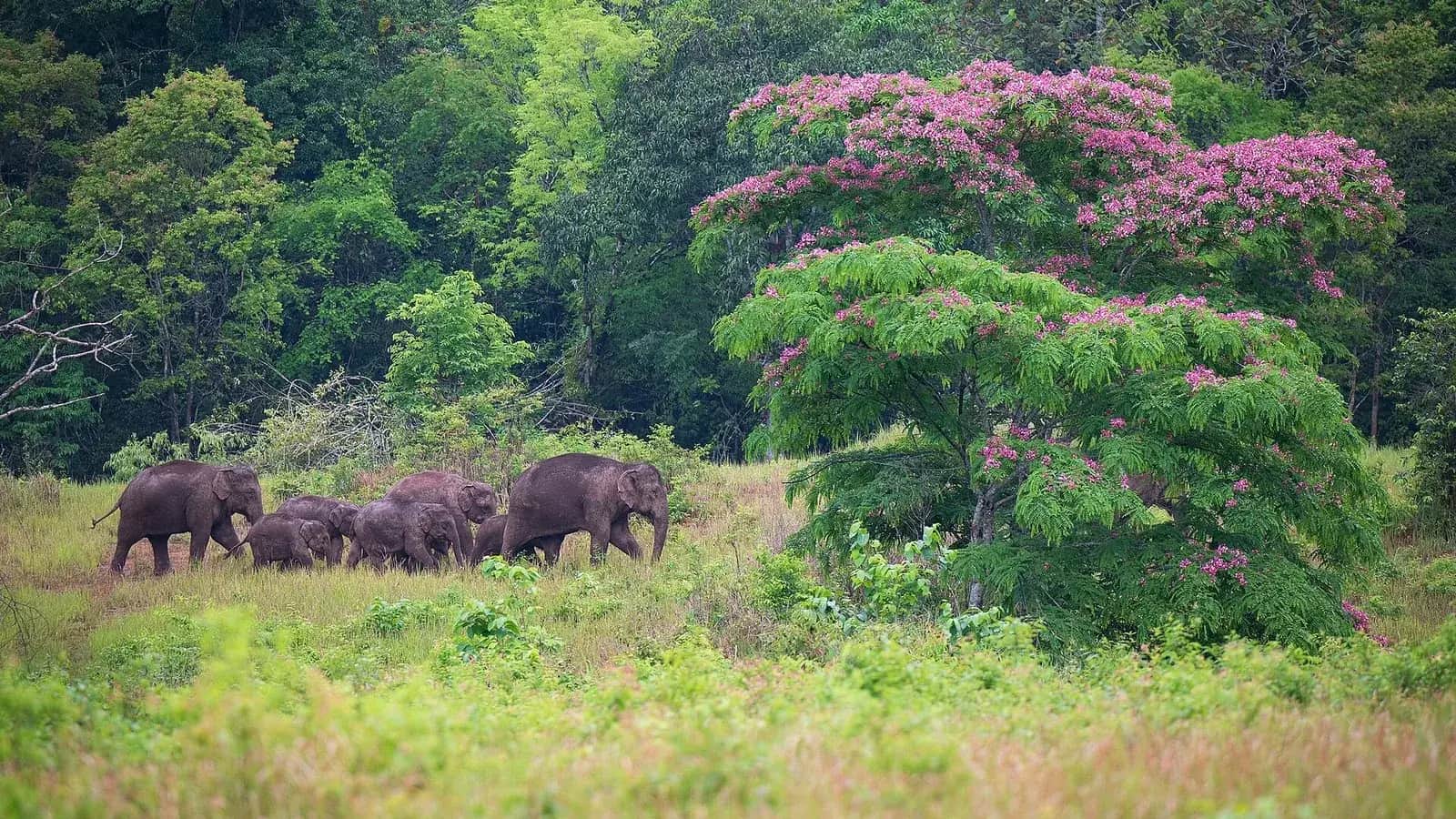
A good Thailand elephant sanctuary lets you watch elephants, not ride, bathe or perform with them. The name proves nothing, because any camp can call itself a sanctuary. Use the criteria of World Animal Protection, which lists 13 Thai venues as elephant-friendly in 2026, or go and see wild herds in a national park. Prices and practices were checked on the venues' own websites on 14 November 2026, and figures we only found secondhand are marked reported.
Elephant sanctuary visits to book
GetYourGuide sells these visits, which tells you nothing about how the elephants live, so check each one against the criteria further down.

Chiang Mai: Elephant Sanctuary Feeding Program Half-Day Tour
Half-day feeding programme at an elephant sanctuary outside Chiang Mai.
- Duration: 5.5 hours
- Free cancellation
- Pickup included
4.9(7,305 reviews)
See prices & availabilityFrom $25per person

Chiang Mai: Elephant Sanctuary, Waterfall & Bamboo Rafting
A day at an elephant sanctuary near Chiang Mai, then a waterfall and bamboo rafting.
- Duration: 1 day
- Free cancellation
- Pickup included
4.9(12,278 reviews)
See prices & availabilityFrom $56per person

Phuket: Elephant Jungle Sanctuary Ethical Feeding Experience
Feeding experience at the Elephant Jungle Sanctuary on Phuket.
- Free cancellation
4.8(5,758 reviews)
See prices & availabilityFrom $27per person
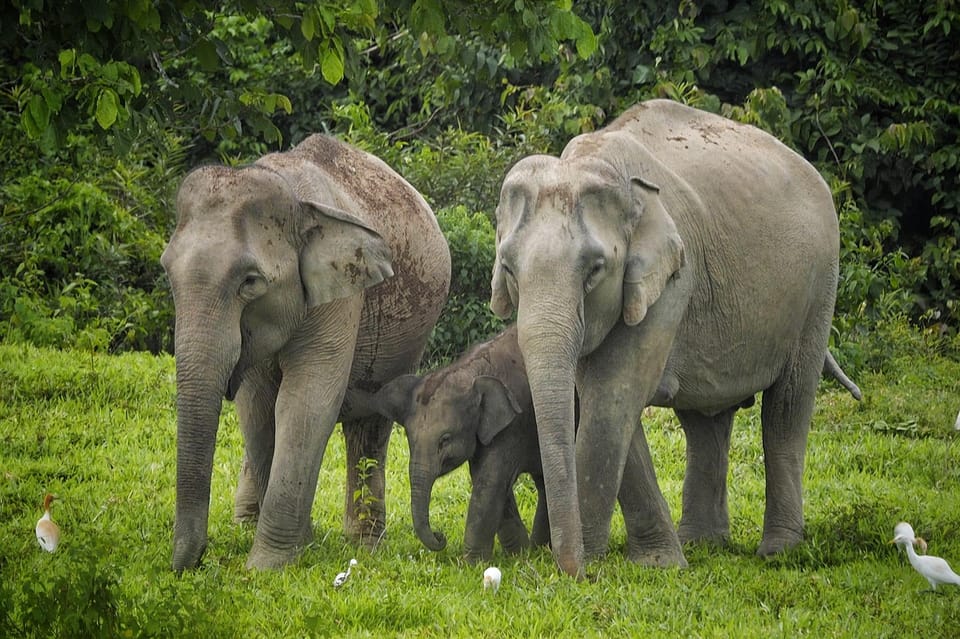
Hua Hin: Kui Buri National Park Wild Elephant Watching
Trip from Hua Hin to watch wild elephants in Kui Buri National Park.
- Duration: 6.5 hours
- Free cancellation
- Pickup included
4.5(383 reviews)
See prices & availabilityFrom $89per person
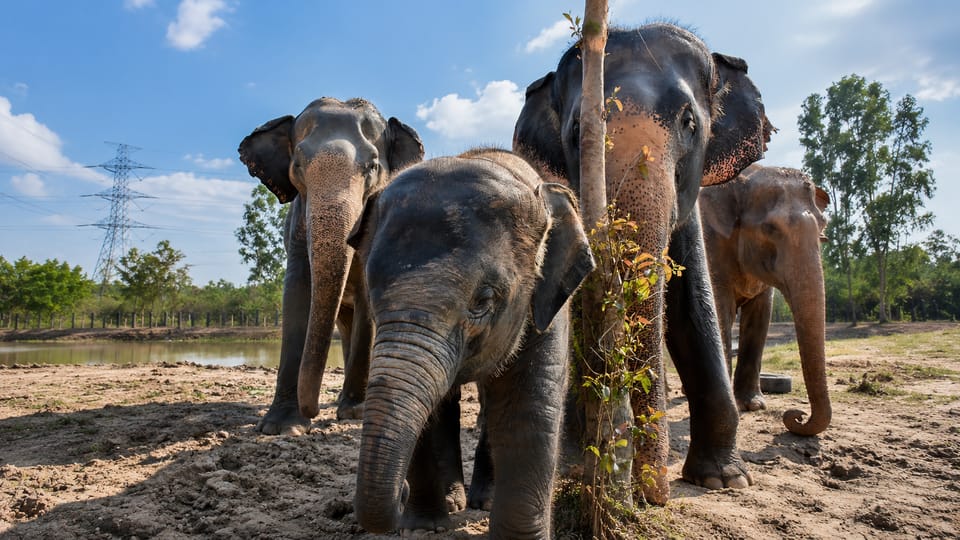
Hua Hin: WFFT Wildlife Rescue Centre Day Trip with Lunch
Day trip from Hua Hin to the WFFT wildlife rescue centre, with lunch.
- Duration: 6 hours
- Free cancellation
- Pickup included
4.7(448 reviews)
See prices & availabilityFrom $74per person
See more activities in Chiang Mai
How to tell if an elephant sanctuary in Thailand is ethical
World Animal Protection, the charity that has surveyed elephant tourism for 15 years, sums it up in four words: look, not touch. If a venue lets you get close enough to ride, bathe or stroke an elephant, the animal has been trained to accept it. Its other tests are below.
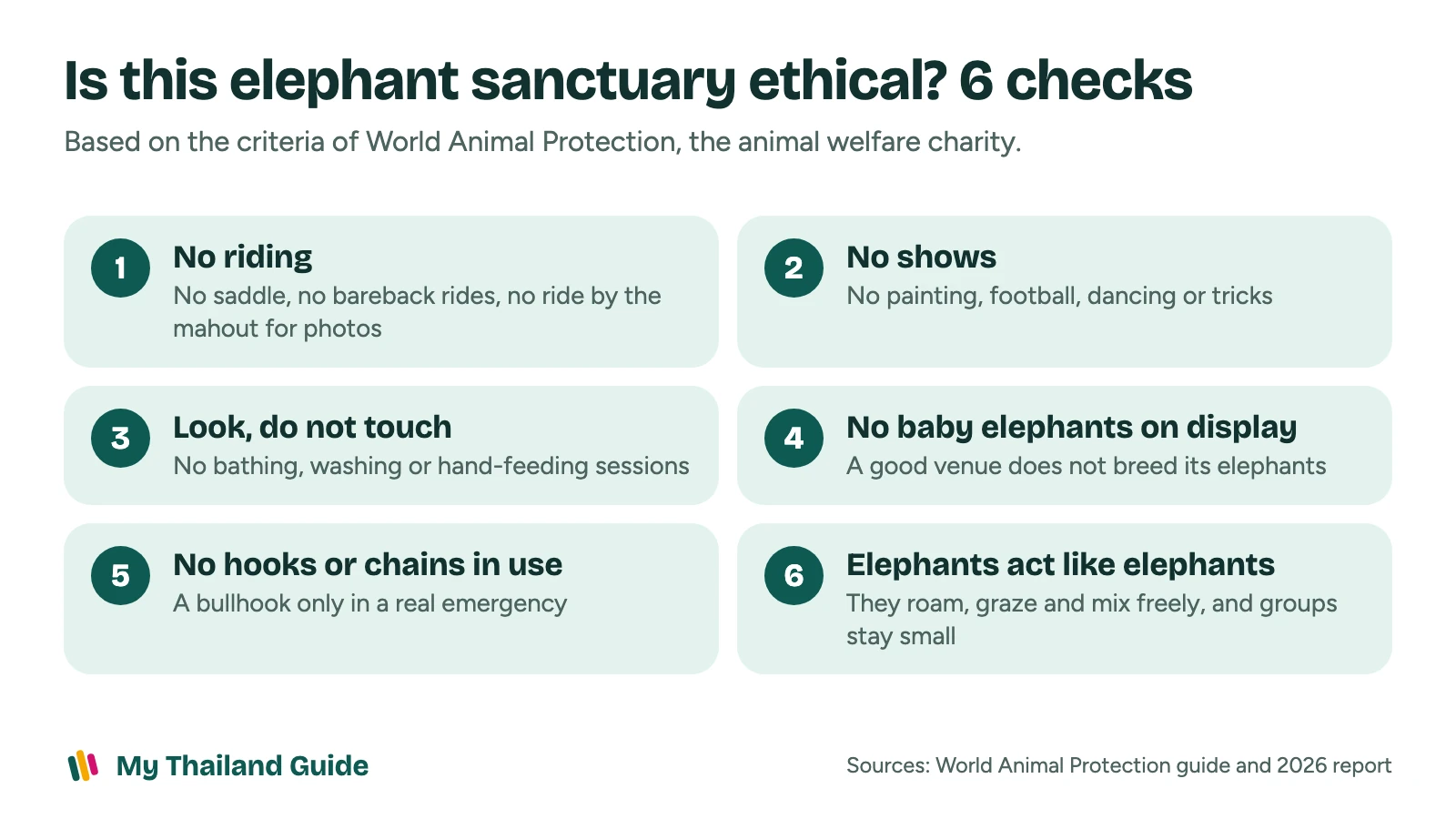
- No riding and no shows. That includes painting, football and the mahout sitting on the elephant's neck for your photo.
- No contact sessions. Washing and hand-feeding are the activities that have grown fastest, and the charity says they hide punishment-based training and restraint.
- No baby elephants on show. A real sanctuary does not breed its elephants. The exception is an orphanage for calves rescued from the wild.
- No bullhook in use. Mahouts may walk with the elephants at a distance for safety, but the hook is for real emergencies only.
- Elephants free to behave like elephants. They roam, graze and choose their companions, rather than standing on a chain or in a small pen. Small groups of visitors make this easier.
Its list is a shortcut, not a guarantee. It was last reviewed in December 2025, and it marks the venues that still allow hand-feeding over a barrier. Read the latest version before you book.
Elephant bathing and feeding: why ethical sanctuaries are dropping them
Bathing with elephants was sold for years as the kind alternative to riding. It means bringing the elephants into the water again and again for each group of visitors. Elephants bathe on their own or with each other, and Phuket Elephant Sanctuary explains that a crowd turns that moment into stress.
Hand-feeding is the same problem in a milder form. The elephant has to come to the barrier and stand still for people, which relies on the same training and restraint, says World Animal Protection. On 1 April 2026, Phuket Elephant Sanctuary stopped all feeding and moved to an observation-only model. Visitors now watch from viewing areas and a raised walkway.
Many places that call themselves ethical still sell both. Elephant Nature Park has a programme in which you prepare food and feed the herd, and two of the visits in the booking block above are feeding programmes. If bathing or feeding is the main event, the venue does not meet the charity's guidelines.
Can you ride elephants in Thailand?
Legally, yes. No Thai law bans elephant riding in 2026. Thailand still relies on elephant laws from 1900 and 1921, and a Protection of Thai Elephants Act is still pending. On 13 March 2026 a Democrat Party MP asked Parliament for a special committee to speed it up, according to Thairath.
Ethically, no. A wild animal does not carry people unless it has been trained to obey, usually by force. Skip camps that offer short rides along the road, in Koh Samui as much as in Chiang Mai.
Thailand elephant sanctuaries compared: 2026 prices
Prices are those published by each venue, for one adult. Children pay less at most places, and some do not accept young children at all.
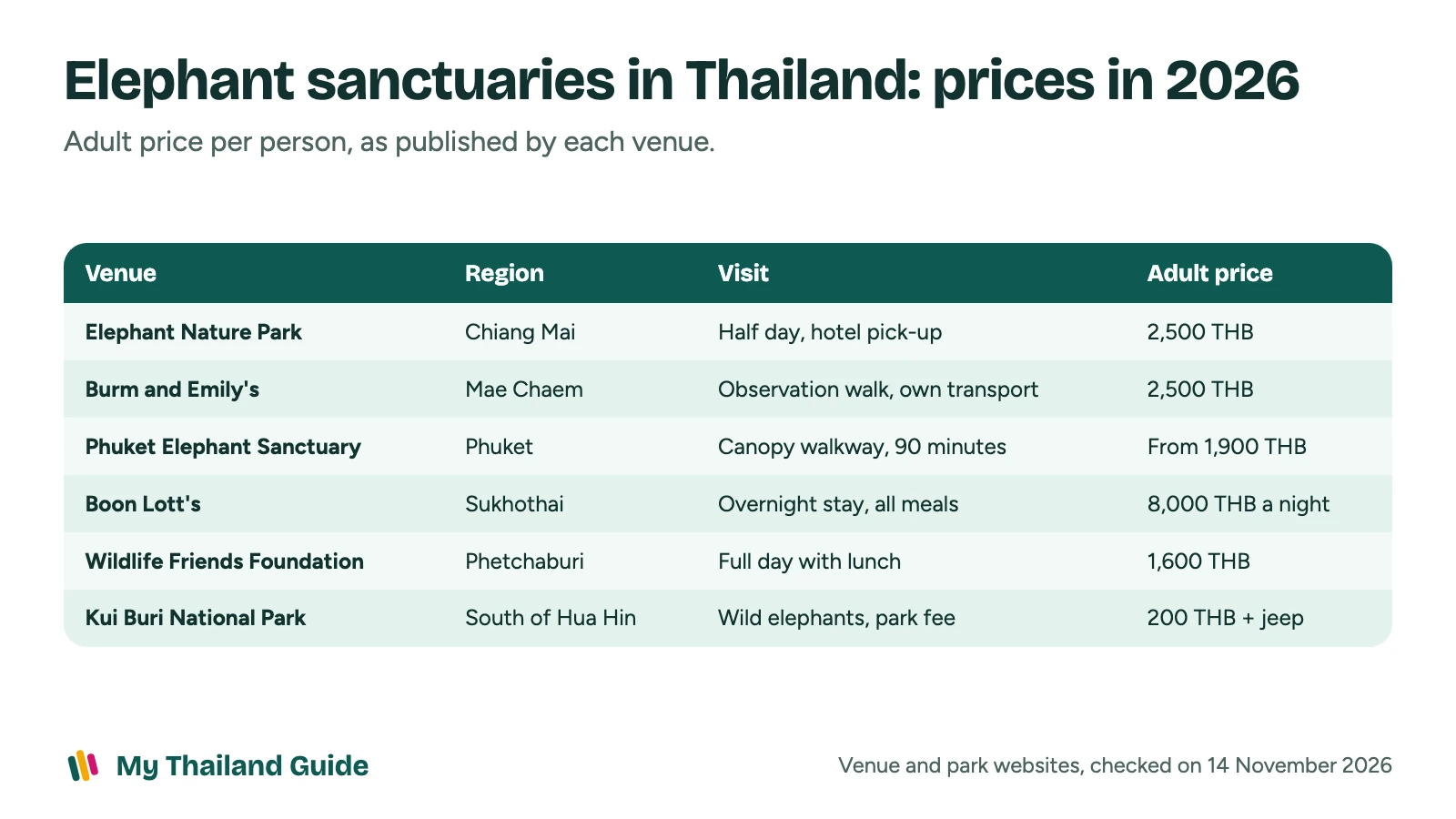
| Venue | Region | Visit and adult price | Contact allowed |
|---|---|---|---|
| Elephant Nature Park | Chiang Mai, Mae Taeng | Half day 2,500 THB, full day 3,500 THB, hotel pick-up | Feeding on some programmes |
| Burm and Emily's | Mae Chaem, about 3 hours from Chiang Mai | Observation walk 2,500 THB, stays from 6,000 THB | None |
| Phuket Elephant Sanctuary | Paklok, north-east Phuket | Walkway from 1,900 THB, half day from 3,000 THB, full day 7,000 THB | None since 1 April 2026 |
| Boon Lott's | Sukhothai | 8,000 THB a night with meals, lunch visit 4,000 THB | None |
| Wildlife Friends Foundation | Phetchaburi, near Hua Hin | Half day 1,100 THB, full day 1,600 THB, with lunch | No physical contact, says the venue |
| Samui Elephant Sanctuary | Koh Samui | 3-hour visit 2,900 THB, online offer until 30 November 2026 | Feeding, no bathing |
| Kui Buri National Park | About 85 km south of Hua Hin | Park fee 200 THB, jeep about 850 THB per group | Wild elephants, from a vehicle |
Ethical elephant sanctuaries in Chiang Mai
Chiang Mai has the most sanctuaries in the country and the most camps that borrow the word. Elephant Nature Park and BEES are one to three hours from the old city, so book a visit with transport or plan a long day. Our things to do in Chiang Mai guide fits the visit into a three-day stay.
Elephant Nature Park
Elephant Nature Park was founded in 1995 by Lek Chailert in the Mae Taeng valley, about 60 km north of the city. It takes in elephants rescued from logging and tourism camps. The half day costs 2,500 THB per adult and 1,250 THB for a child aged 3 to 11, with hotel pick-up around 7:30 am or noon.
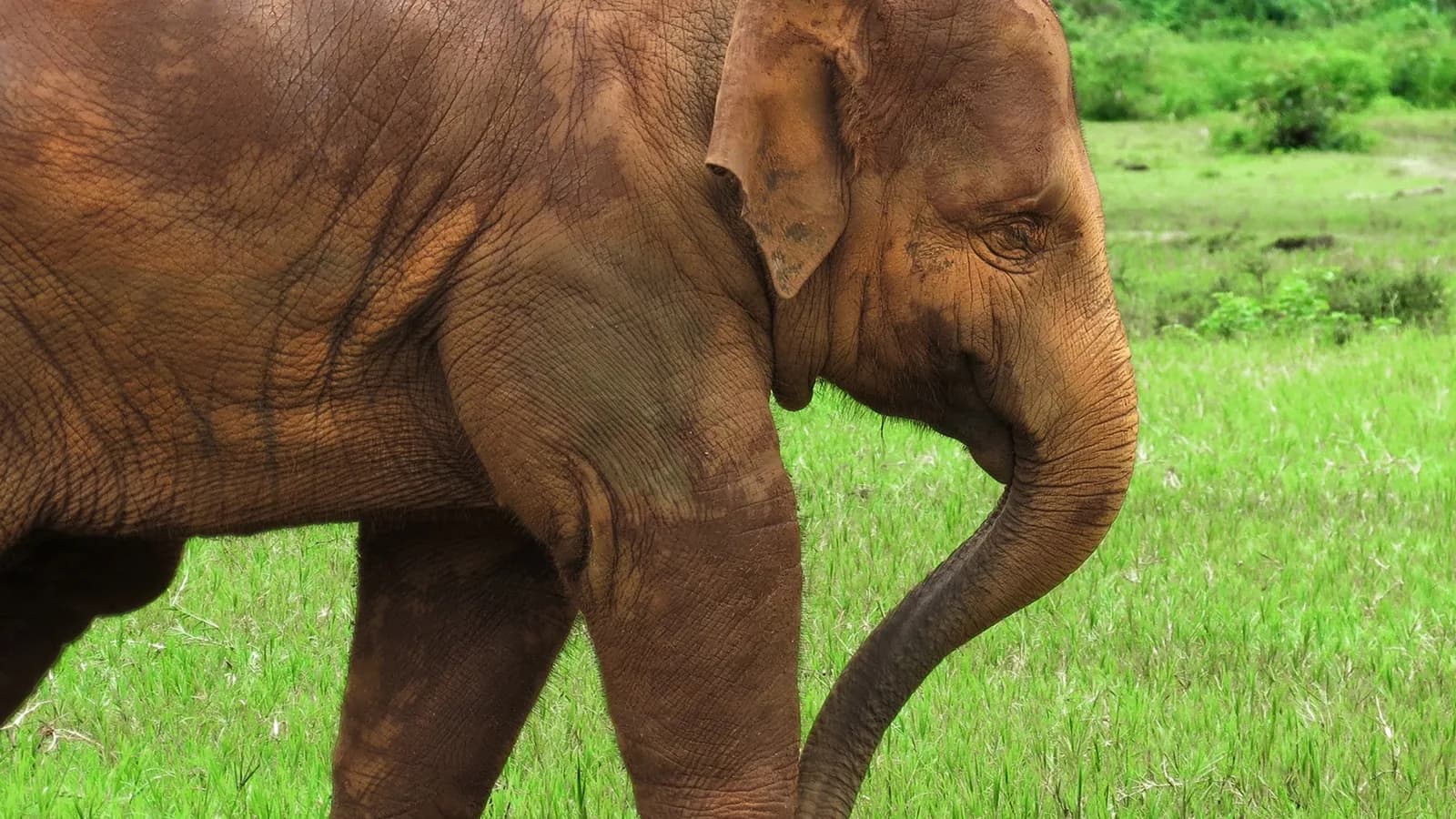
The SkyWalk full day costs 3,500 THB, and the overnight stay 5,800 THB. On its list reviewed in December 2025, World Animal Protection puts the park among other high-welfare venues and notes hand-feeding over a barrier. It says the park is temporarily off its elephant-friendly list because of a legal investigation, which it does not detail.
Burm and Emily's Elephant Sanctuary (BEES)
BEES is in the Mae Chaem district, about three hours from Chiang Mai's old city. It has had a strict no-touch rule since 2018: no patting, no bathing and no hand-feeding. The day visit is an observation walk at 2,500 THB per adult and 1,800 THB for ages 10 to 17, usually on Tuesday, Wednesday and Friday.
You drive yourself for the day walk, and book two to three days ahead. The 2-day, 4-day and week-long stays start from 6,000 THB, with pick-up in the old city between 8:30 and 9 am. Children under 10 are not accepted, groups need at least two people, and travel insurance is required.
Kindred Spirit, ChangChill and other venues on the list
The charity's 2026 list names five more venues around Chiang Mai: Kindred Spirit, the two ChangChill sites, the LIFE project of the Mahouts Elephant Foundation and the GVI volunteer programme. Kindred Spirit sells two- and three-day stays in a village, reported at about 5,000 to 5,300 THB per person for two or more people.
Elephant sanctuary in Phuket: observation only since April 2026
Phuket Elephant Sanctuary
Phuket Elephant Sanctuary is in Paklok, in the north-east of the island, and shelters elephants retired from the logging and tourism industries. It is the only venue on Phuket that World Animal Protection lists as elephant-friendly. There has been no feeding since 1 April 2026, and there was never any bathing.
The canopy walkway tour lasts 90 minutes and starts at 1,900 THB. The half day lasts 3.5 hours from 3,000 THB, and the 7.5-hour full day costs 7,000 THB for ages 13 and over, with transfers, lunch, dinner and a visit to the elephant hospital. Pick-up can be up to 90 minutes before the start, and there is no public access.
Other elephant venues on Phuket
A sanctuary with a similar name, Phuket Elephant Sanctuary Village, is a different business. Hidden Forest Elephant Reserve and Phuket Elephant Nature Reserve appear on the charity's second list, and Hidden Forest still allows hand-feeding. A visit takes half a day, which leaves the afternoon for the beaches, the Old Town and other things to do in Phuket.
Boon Lott's Elephant Sanctuary in Sukhothai
Boon Lott's Elephant Sanctuary (BLES) is a small, hands-off refuge in Sukhothai province. Guests do not approach, touch, feed or bathe the elephants. They walk out with the herd to the forest and fields, and help with tree planting and gathering food.
Stays cost 8,000 THB per adult per night and 3,000 THB for a child under 12, with all meals and the transfer from Sukhothai airport or bus station. BLES advises two nights at least, takes bookings from Monday to Friday and hosts ten guests at most. You pay a 50% deposit online and the rest in cash on arrival.
If you cannot stay overnight, the Elephant Lunch Experience costs 4,000 THB per adult, from a 9 am pick-up to a 3 pm return, for two to six guests. Drop-in visits are not allowed.
Wildlife Friends Foundation Thailand, near Hua Hin
Wildlife Friends Foundation Thailand (WFFT) runs a wildlife rescue centre and an elephant refuge in Tha Yang, Phetchaburi province, north of Hua Hin. Elephants share the site with bears, gibbons and hundreds of other rescued animals. Tours start at 10 am every day.
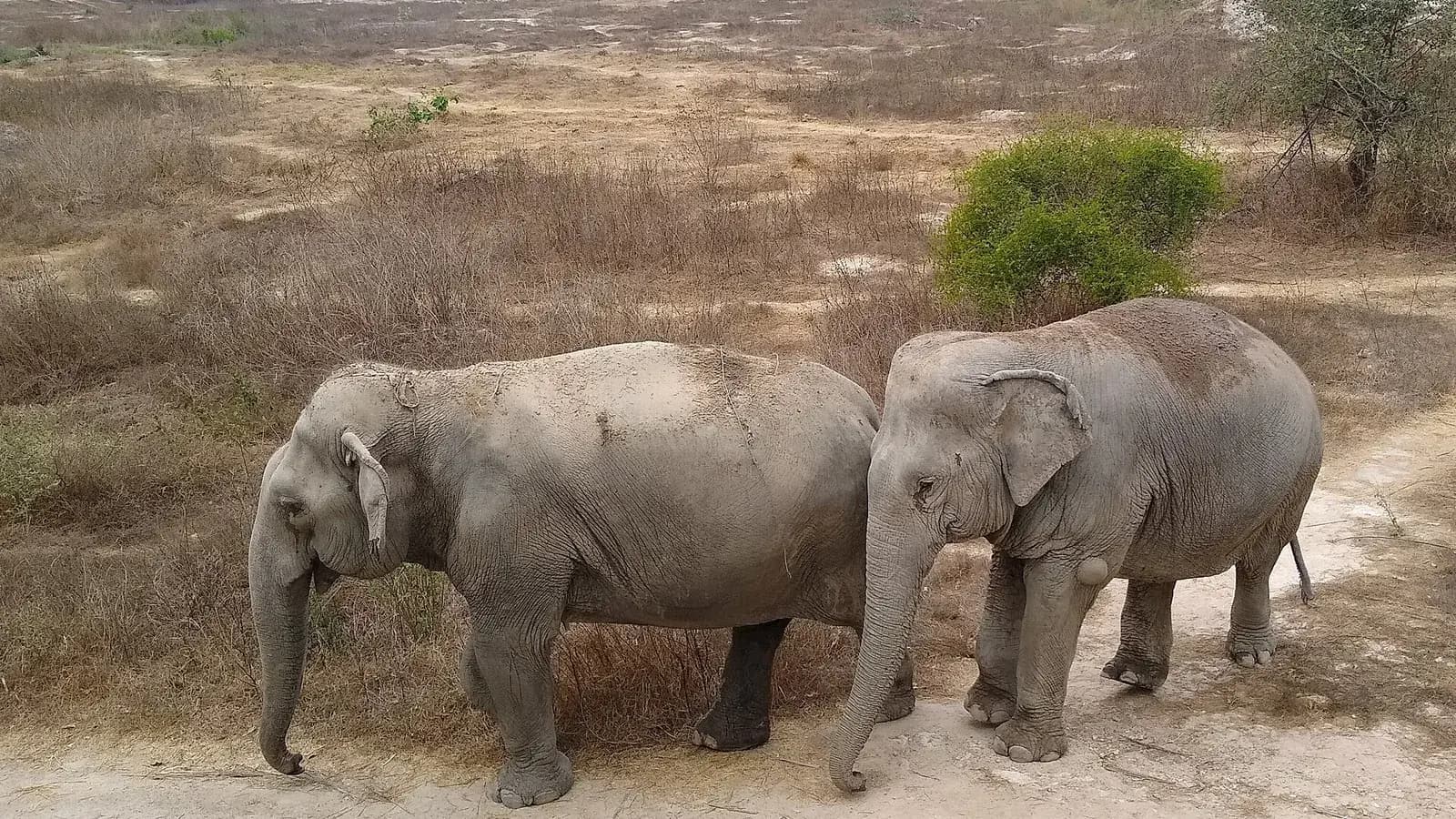
The half day costs 1,100 THB and the full day 1,600 THB per adult, both with a Thai buffet lunch. The transfer from Hua Hin or Cha-am adds 200 THB return, with pick-up between 8 and 8:45 am. WFFT calls its elephant visit hands-off with no physical contact, while the charity's list says it allows feeding over a barrier. The night markets and Khao Sam Roi Yot National Park are the other things to do in Hua Hin for the rest of the stay.
Elephant sanctuaries in Krabi, Koh Lanta, Koh Samui and Khao Sok
Following Giants, Krabi and Koh Lanta
Following Giants runs two observation venues in the south, one in Krabi and one on Koh Lanta, and both are on the charity's elephant-friendly list. Under its guidelines, that means no direct contact. A travel agency reports 1,800 THB for the two-hour programme on Lanta. Other camps around Krabi still sell bathing sessions, and so do some on Koh Lanta.
Samui Elephant Sanctuary
Samui Elephant Sanctuary does not offer bathing, but its visits include feeding, which is why the charity puts it on its second list. Its three-hour visit costs 2,900 THB per adult, an offer valid until 30 November 2026 on its own website. The roadside camps near the waterfalls of Koh Samui still sell rides.
Elephant Hills, Khao Sok
Elephant Hills combines a jungle camp with an elephant experience without riding, in Khao Sok National Park. The charity lists it among other high-welfare venues, where its guidelines have not yet been discussed with the owner.
Wild elephants in Thailand: Kui Buri and Khao Yai
The charity's first advice is to see elephants in the wild. Thailand has two easy places to do it, both national parks with herds that come out into the open.
Kui Buri National Park
Kui Buri, about 85 km south of Hua Hin, is one of the easiest places in Thailand to watch wild elephants. You cannot drive in on your own. Visitors leave their car at the Huai Luek ranger station and ride in a park jeep with a ranger, reported at about 850 THB per group, on top of the 200 THB park fee.
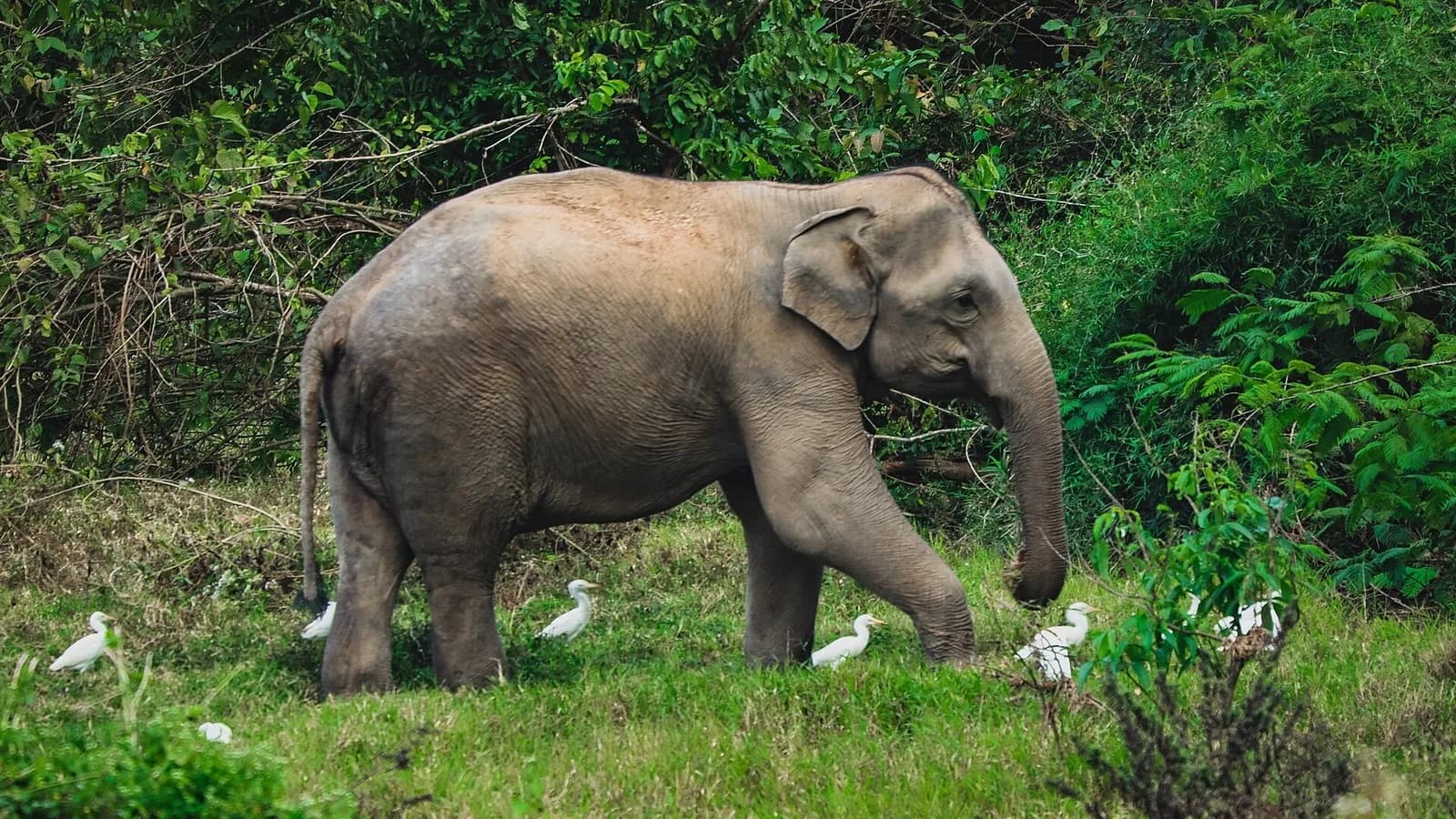
The herds come out to the grassland in the afternoon, and safaris end around 5:30 to 6 pm. A tour from Hua Hin does the driving for you.
Khao Yai National Park
Khao Yai, about 200 km north-east of Bangkok, has wild elephants that often walk on the park road. Entry costs 400 THB for a foreign adult. It is one of the longer day trips from Bangkok, about three hours each way by road.
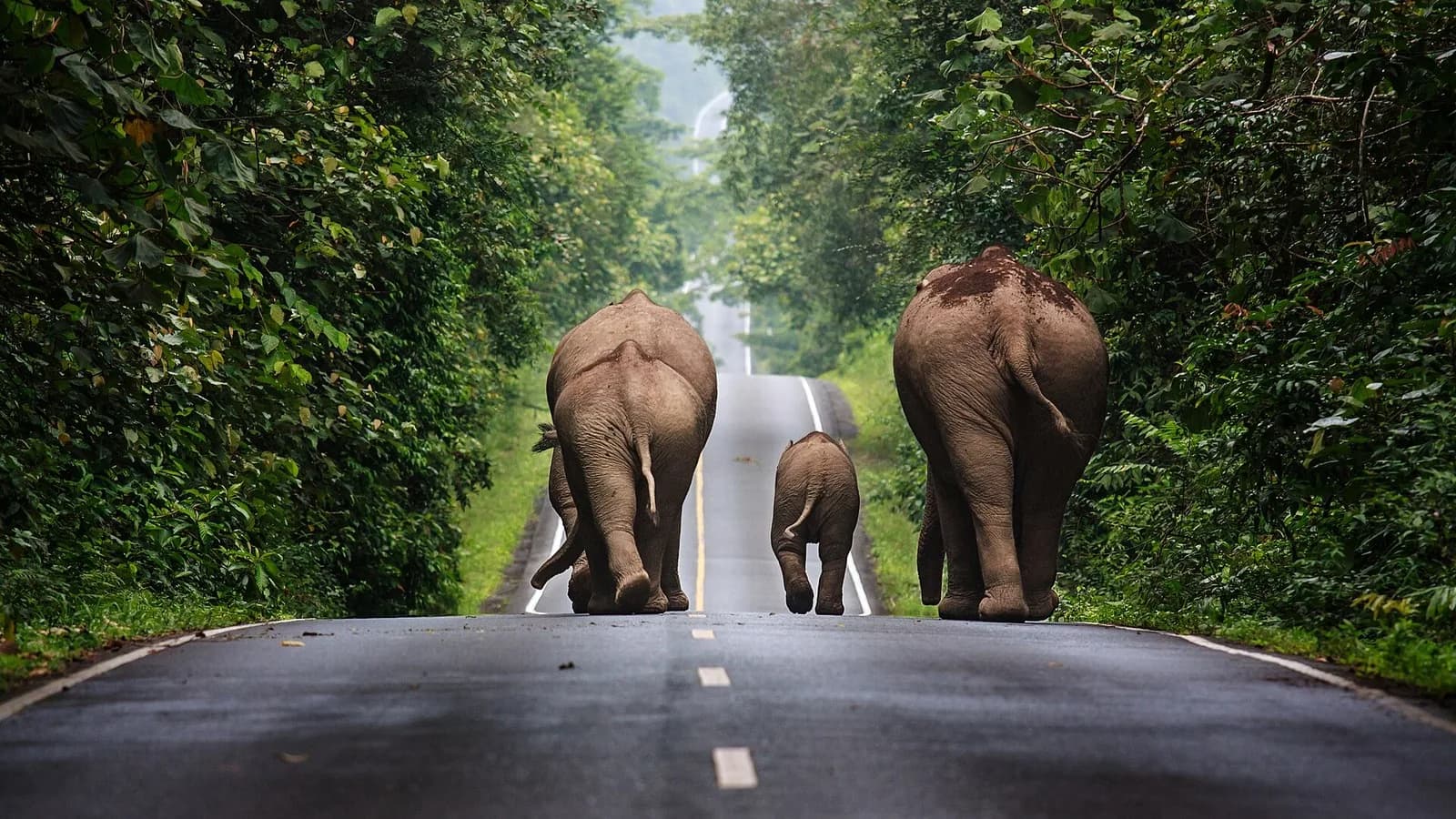
Rangers ask drivers to stop at least 30 metres from an elephant, keep the engine running and reverse slowly if it comes closer. Do not use the horn or stop for photos at close range. In January 2026 a driver was hurt after hitting an elephant on a road beside the park, and officials asked for extra care from 7 pm to 6 am.
Can you stay or volunteer at an elephant sanctuary in Thailand?
Yes, and a stay is often the best way to see elephants behave naturally, because you are there when the day visitors have left. Elephant Nature Park has a two-day stay at 5,800 THB and a volunteer week at 15,000 THB, in which you cut grass, prepare food and clean the shelters.
BEES runs 2-day, 4-day and week-long stays from 6,000 THB, and Boon Lott's takes guests for two to four nights. Agencies abroad resell some of these stays, often at a higher price than the sanctuary's own rate. Ask what share goes to the elephants and what the work involves before you pay.