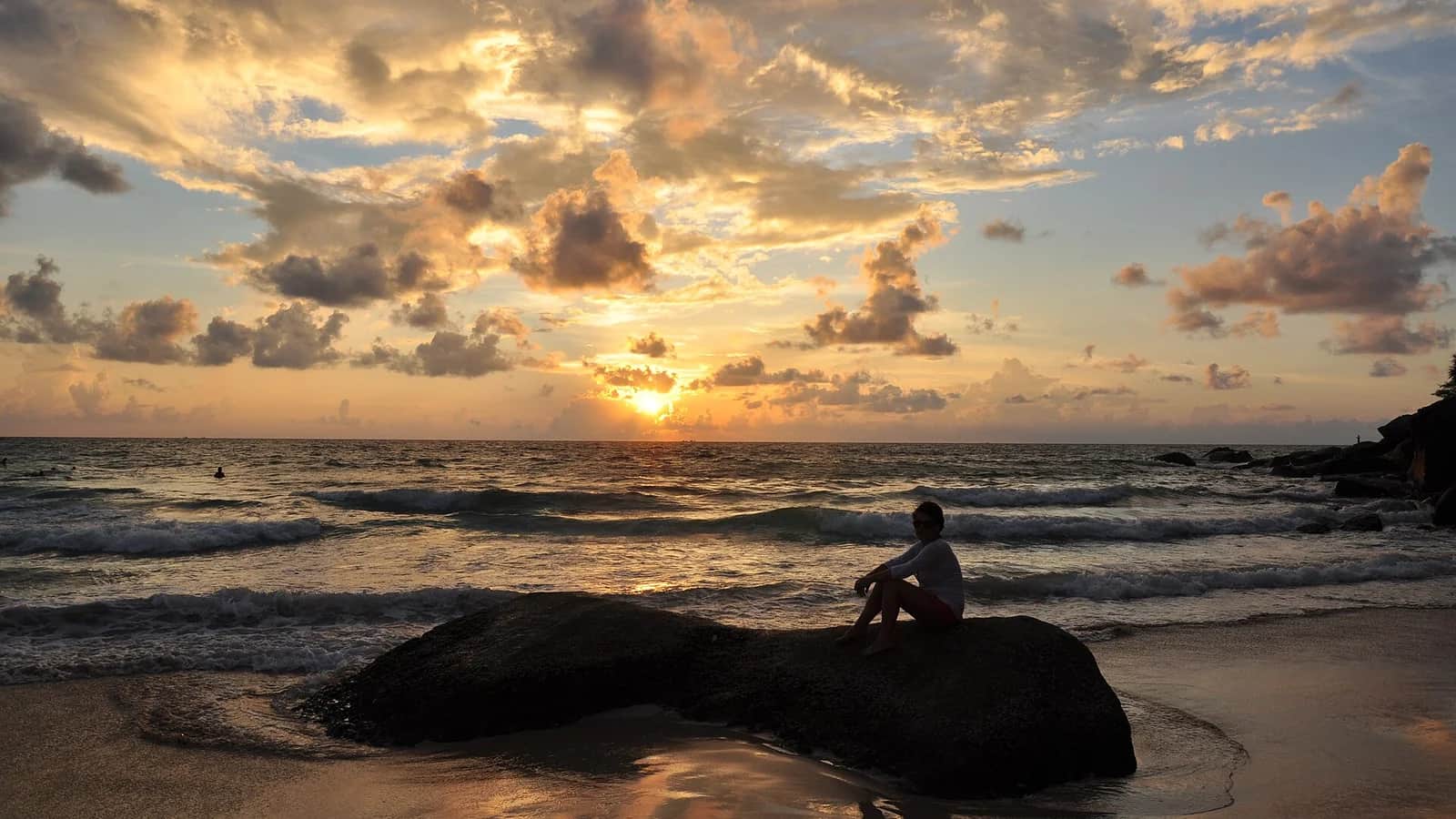
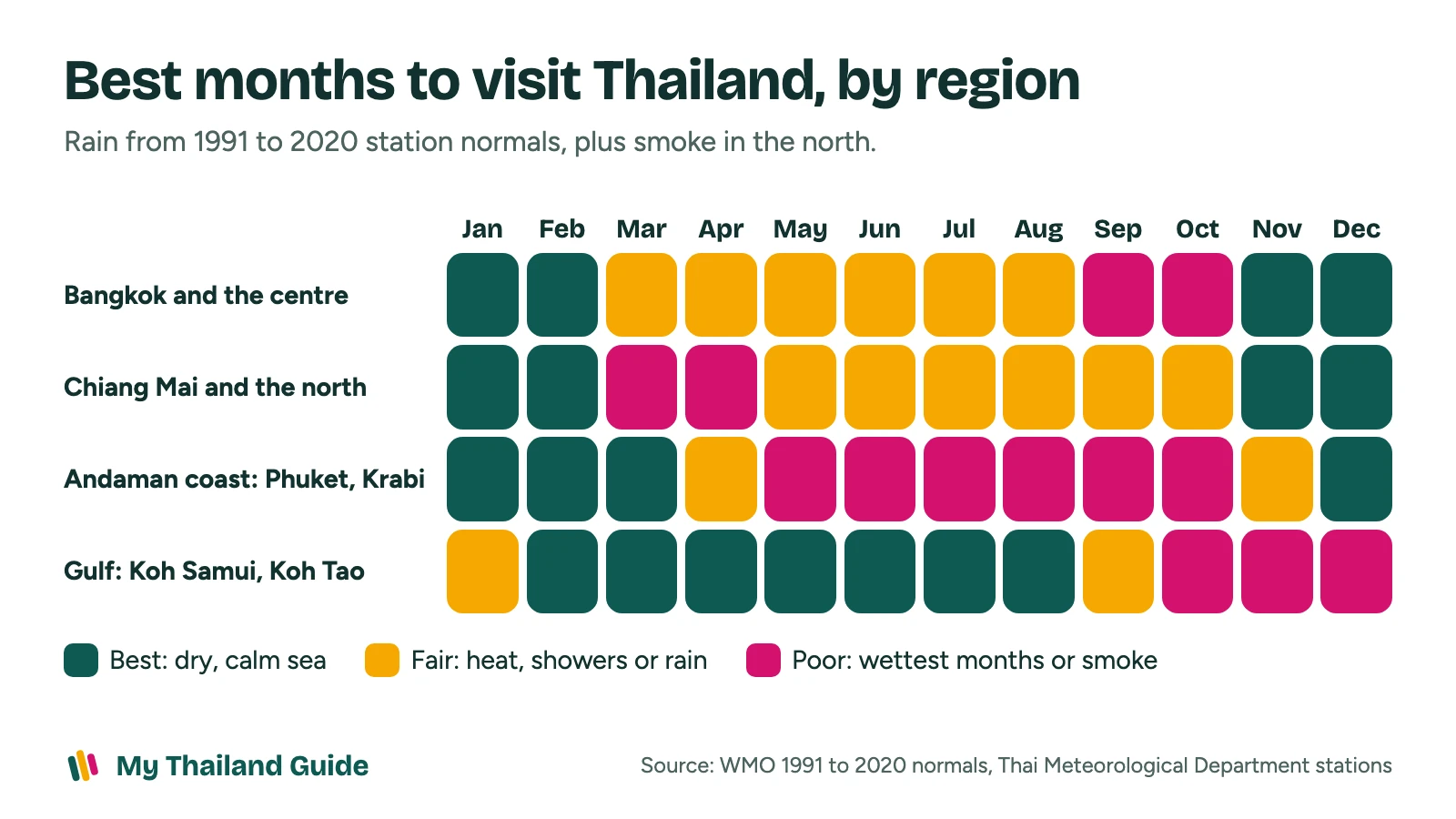
The best time to visit Thailand is from November to February, the cool and dry season, for Bangkok, Chiang Mai and the beaches of Phuket and Krabi. The exception is the Gulf of Thailand: Koh Samui, Koh Phangan and Koh Tao get their heaviest rain in November and are best from January to August. We built this guide on 30 years of weather station data and checked the 2026 season dates and festivals on 14 November 2026.
Thailand weather: the cool, hot and rainy seasons
Thailand has three seasons, and the Thai Meteorological Department (TMD) dates them by the monsoons. The cool season runs from mid-October to mid-February, the hot season from mid-February to mid-May and the rainy season from mid-May to mid-October. Each year the TMD declares the real start dates once its criteria are met.
Cool season, mid-October to mid-February
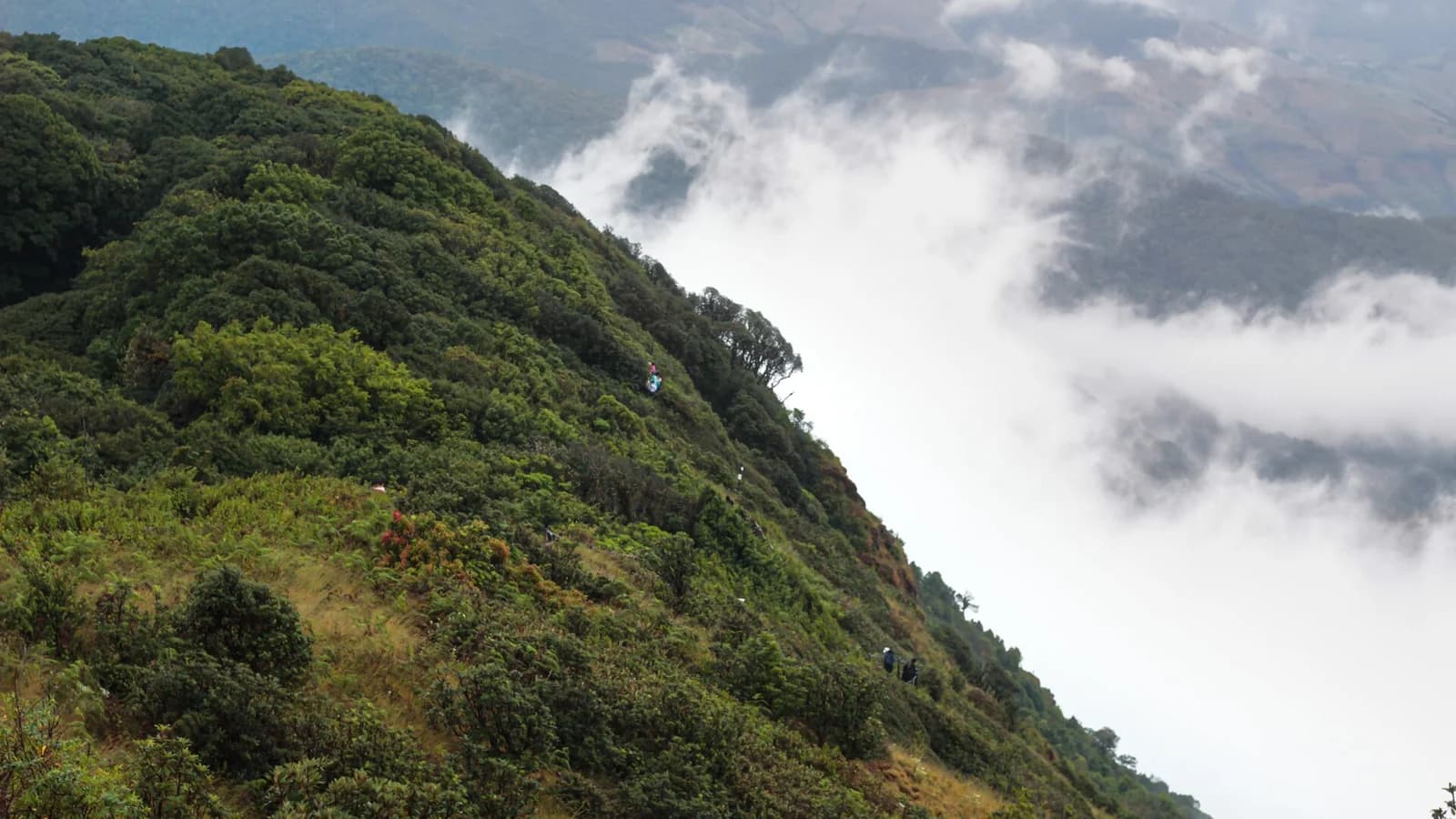
The north-east monsoon brings dry air from China. Bangkok sees almost no rain from December to February and nights near 23°C (74°F). In Chiang Mai, January nights average 15.7°C (60°F), so pack a fleece for the mountains. This is high season, and the reason most guides send you in these months.
Hot season, mid-February to mid-May
April is the hottest month. Days average 35.7°C (96°F) in Bangkok and 36.7°C (98°F) in Chiang Mai, and the humidity makes it feel hotter. The sea is calm on both coasts, which makes it a good time for the islands, but the north fills with smoke from March.
Rainy season, mid-May to mid-October
The south-west monsoon brings rain to most of the country. It rarely rains all day: storms build in the afternoon and pass. September is the wettest month in Bangkok, with 336 mm and 18 days of rain on average. The Gulf islands are the big exception and stay fairly dry.
Thailand weather by region: Bangkok, the north and the two coasts
The table below uses the 1991 to 2020 climate normals of four TMD weather stations, published by the World Meteorological Organization. They are the averages over 30 years, and any single year can be wetter or drier.
| Region and station | Best months | Hottest days | Coolest nights | Wettest month |
|---|---|---|---|---|
| Bangkok and the centre | November to February | April, 35.7°C (96°F) | December, 23.2°C (74°F) | September, 336 mm |
| Chiang Mai and the north | November to early February | April, 36.7°C (98°F) | January, 15.7°C (60°F) | August, 223 mm |
| Andaman coast, Phuket station | December to March | March, 34.4°C (94°F) | October, 24.9°C (77°F) | September, 350 mm |
| Gulf of Thailand, Koh Samui station | February to August | May, 32.9°C (91°F) | December, 24.0°C (75°F) | November, 445 mm |
Bangkok and central Thailand
Bangkok is hot all year, between 32 and 36°C (90 to 96°F) in the daytime. The difference between seasons is the rain. November to February is the time for walking around the temples of Bangkok. July and August are rainy but workable, with short storms. September and October bring the most rain and the occasional flooded street.
Chiang Mai and the north
The north has the widest range. Mornings in December and January can be fresh and the days are sunny. From March the heat and the smoke take over, and in the rainy season the hills turn green again with fewer visitors. Plan Chiang Mai from November to early February.
The Andaman coast: Phuket, Krabi, Koh Lanta
The west coast is dry from about November to April and calmest from December to March, when Phuket gets as little as 24 mm of rain in February. From May to October the south-west monsoon brings rain, rough sea and red flags on the beaches of Phuket. Phuket gets 2,272 mm of rain a year, the most of the four stations.
The Gulf of Thailand: Koh Samui, Koh Phangan, Koh Tao
The Gulf follows its own calendar. It gets little rain from January to August, with February to April the driest. Then the north-east monsoon hits it from October to December. Koh Samui averages 445 mm in November, the wettest month at any of the four stations. Visit Koh Samui when the Andaman side is wet, from June to August.
The rest of the coast falls in between. Hua Hin and Pattaya are drier than Bangkok and get most of their rain in September and October. Among the best islands in Thailand, Koh Samui and Koh Tao stay drier in summer, Phuket and Koh Lanta in winter.
Thailand weather by month: where to go and where to avoid
Rainfall is the monthly average in millimetres, for Bangkok (BKK), Chiang Mai (CNX), Phuket (HKT) and Koh Samui (USM). 25 mm is about one inch.
| Month | Rain, mm (BKK, CNX, HKT, USM) | Where to go | Where to avoid |
|---|---|---|---|
| January | 24, 11, 50, 127 | Everywhere. Andaman coast at its calmest, cool nights in the north | Some showers left on Koh Samui |
| February | 21, 10, 24, 64 | Andaman coast, Gulf islands, Bangkok | The north at the end of the month, as the smoke builds |
| March | 51, 20, 81, 116 | Beaches on both coasts | Chiang Mai, Chiang Rai and Pai, at the peak of the smoke |
| April | 93, 54, 135, 83 | Gulf islands, and Songkran in any town | The north for smoke, long afternoons outdoors in Bangkok |
| May | 217, 168, 237, 132 | Gulf islands | Swimming on Andaman beaches with red flags |
| June | 199, 118, 249, 134 | Gulf islands, Bangkok at low prices | Andaman boat trips on rough days |
| July | 190, 149, 240, 117 | Gulf islands, the green north | Andaman beaches for swimming |
| August | 227, 223, 309, 102 | Gulf islands, where August is the driest rainy month | Maya Bay, closed from 1 August |
| September | 336, 207, 350, 118 | Gulf islands | Bangkok and Phuket in their wettest month |
| October | 289, 124, 336, 295 | Chiang Mai at the end of the month, Phuket Vegetarian Festival | Gulf islands from mid-October |
| November | 45, 41, 178, 445 | Bangkok, the north, Loy Krathong, Andaman coast later in the month | Koh Samui and the Gulf, their wettest month |
| December | 12, 14, 82, 263 | Bangkok, the north, the Andaman coast | Gulf islands early in the month, last-minute bookings at Christmas |
Two park dates matter on the Andaman side. Maya Bay on Koh Phi Phi Leh closes from 1 August to 30 September, and the Similan Islands open only from 15 October to 15 May.
Chiang Mai burning season: smoke in the north from February to April
From about February to April, farmers burn crop fields and forest fires spread across northern Thailand and its neighbours. With no wind and no rain, the smoke stays over the valley. Doi Suthep disappears from view and fine particles, PM2.5, reach levels that health agencies call unhealthy.
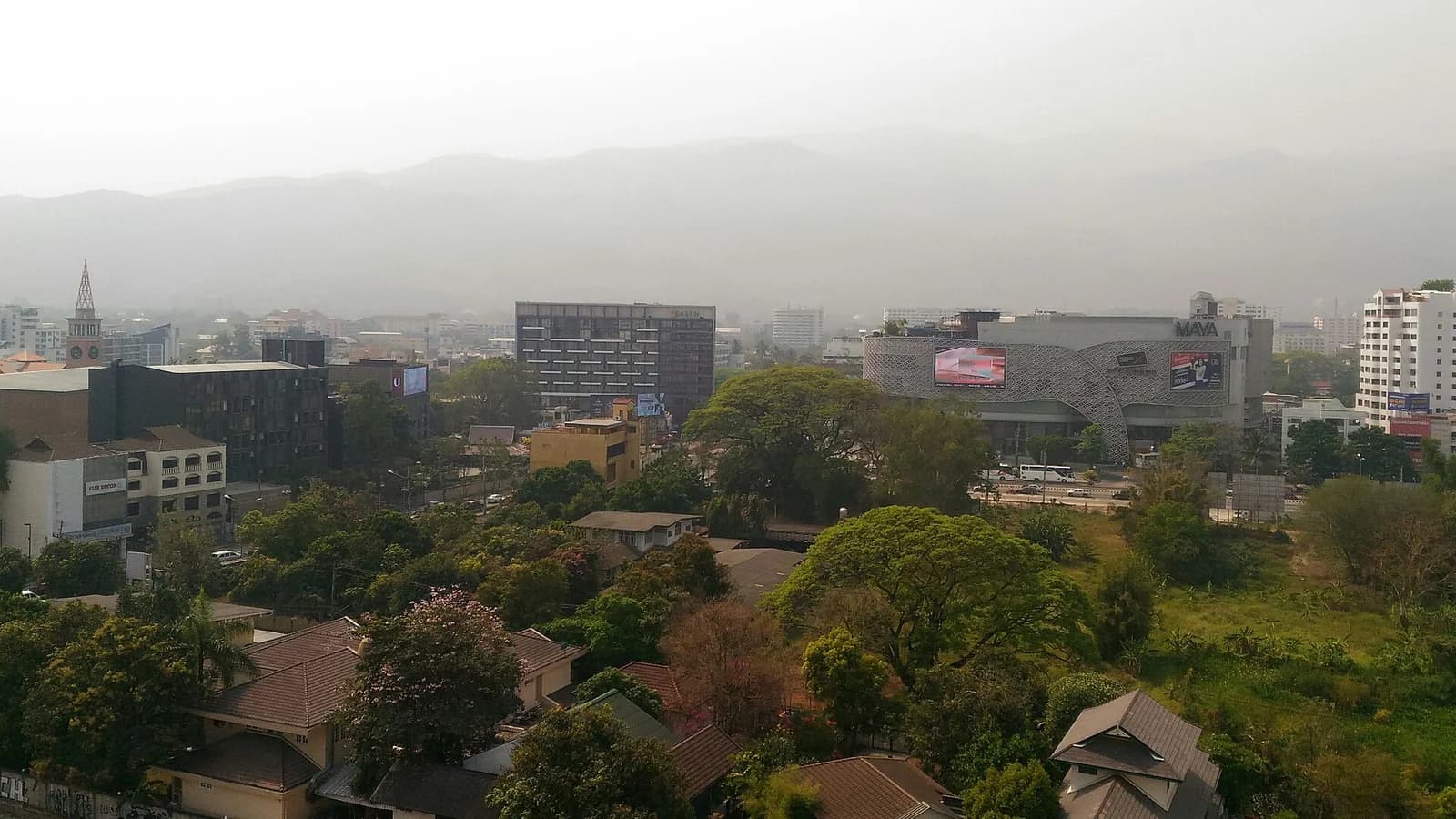
The 2026 season was severe. On 29 March, Chiang Mai topped the IQAir world ranking with an AQI of 263 and PM2.5 at 188 µg/m³, and it was still first on 1 April. Officials counted 10,849 fire hotspots in the province by 27 April, despite a ban on open burning. The air cleared at the end of April and the rains of May end the season.
If you travel in March or April, keep the north short, check the AQI each morning and bring N95 masks. Children, older travellers and anyone with asthma should go to the beaches instead.
Thailand festivals that change your trip
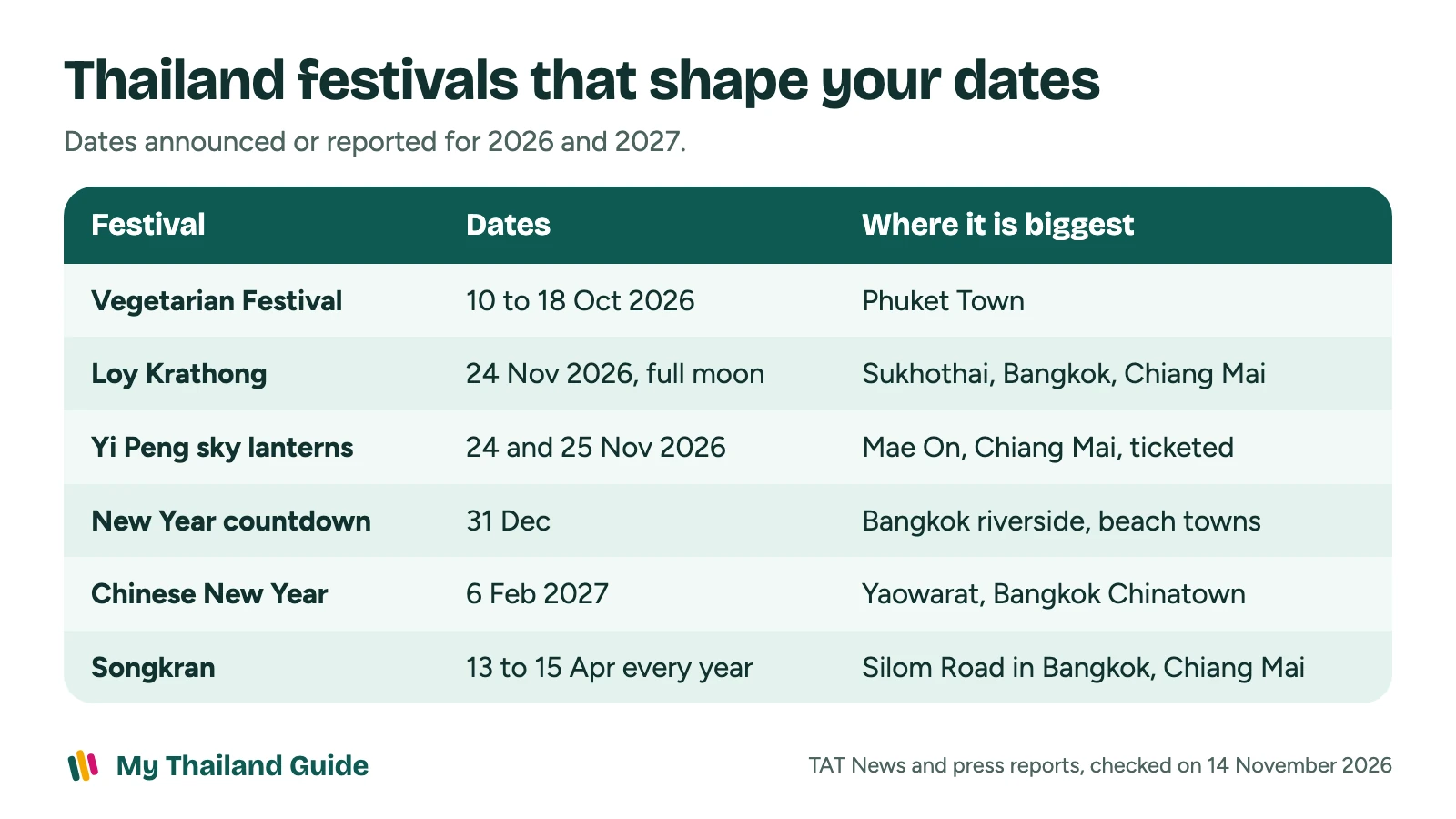
Festival dates push up the price of Thailand holidays and fill trains and buses. Book early if your trip overlaps one of the dates below.
Songkran, 13 to 15 April
Songkran is the Thai New Year and the hottest week of the year turns into a nationwide water fight. Silom Road in Bangkok and the moat of Chiang Mai's old city are the busiest spots. Expect to be soaked anywhere outdoors, put your phone in a waterproof pouch, and know that many Thais travel home, so buses and trains are full.

Loy Krathong and Yi Peng, November
Loy Krathong falls on the full moon of the twelfth lunar month, which is 24 November 2026. People float small baskets of banana leaves and candles on rivers and ponds. The Tourism Authority of Thailand lists events in Bangkok from 17 to 29 November and in Sukhothai Historical Park from 15 to 24 November.

In Chiang Mai the same nights are Yi Peng, the festival of sky lanterns. The mass lantern release of the CAD Khomloi festival takes place on 24 and 25 November 2026 in Mae On, outside the city. Tickets are sold from about 4,900 THB through resellers and the cheaper tiers sell out.
New Year, Chinese New Year and the Vegetarian Festival
The countdown on 31 December is the peak of the high season, with fireworks along the Chao Phraya in Bangkok. Chinese New Year falls on 6 February 2027, and Yaowarat, Bangkok's Chinatown, fills with lion dances and food stalls. The Phuket Vegetarian Festival ran from 10 to 18 October 2026, with processions and piercing rituals in Phuket Town.
Thailand high season, crowds and the cheapest time to go
High season runs from November to February, and the peak is the two weeks around Christmas and New Year. Island rooms can cost twice the low-season rate then, and night trains to Chiang Mai sell out. January was the busiest month of 2025, with about 3.7 million foreign arrivals reported, against 2.27 million in May.
The cheapest time to go to Thailand is May, June and September, the quietest months. It is low season on Phuket and Krabi, and the Gulf islands stay fairly dry. Late October and early November are a good compromise in the north and in Bangkok, with good weather before Christmas prices.
Since 15 September 2026, visitors from 60 countries get 30 days without a visa instead of 60. To spend two months in the cool season, apply for a Thailand tourist visa before you leave.
Thailand monsoon season: what a rainy day looks like
A typical day in the Thailand rainy season starts sunny and humid. Clouds build after lunch, a heavy storm falls for an hour or two in the afternoon or evening, and the streets dry fast. Early in the season, from May to July, many days have no rain at all.
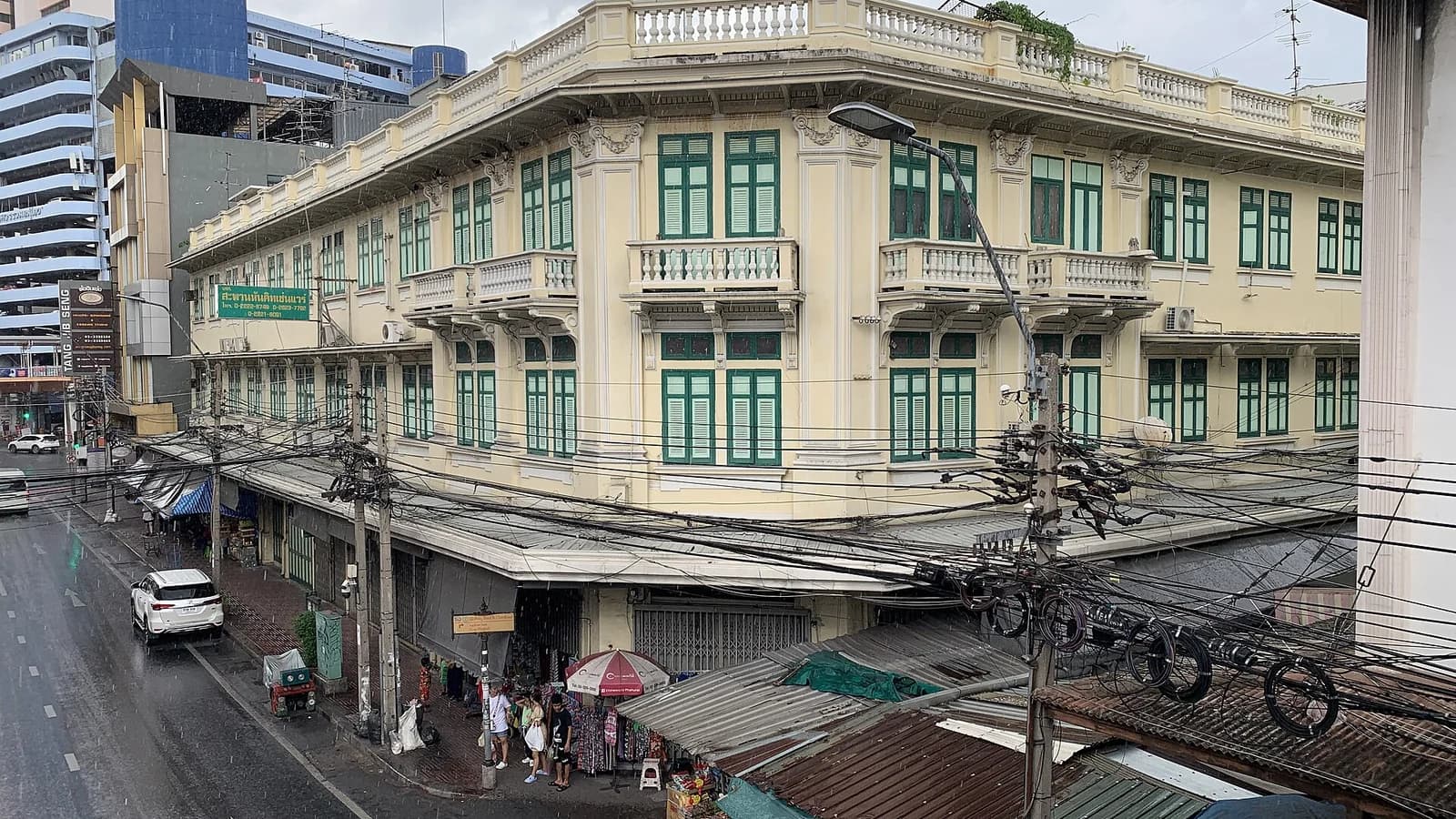
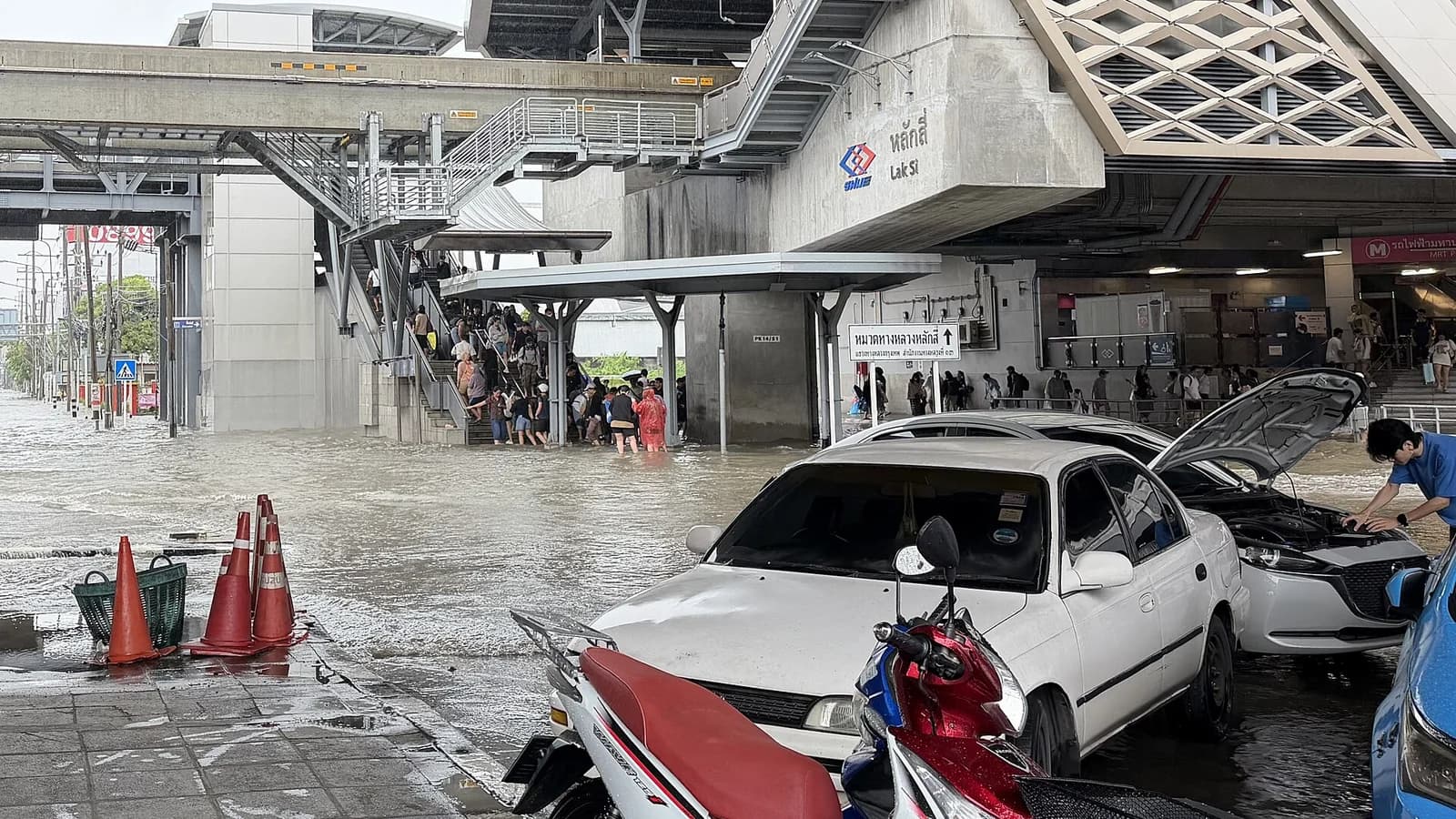
By September the rain lasts longer and the sun shows less. Phuket gets 108 hours of sunshine in September, against 279 hours in January. Streets in Bangkok flood after the heaviest storms, as they did on 27 September 2026 around Lak Si.
On the Andaman coast the sea is the problem more than the rain. Waves and rip currents close the beaches to swimming, and boat trips are cancelled on rough days. Choose a hotel with a pool, keep a spare day for any boat trip and plan museums, markets and massages for the wettest afternoons.
When to go to Thailand for beaches, budget, festivals and diving
| Your trip | Best months | Where |
|---|---|---|
| First trip, city, north and beach | December to early February | Bangkok, Chiang Mai, then Phuket or Krabi |
| Beach in the European or US summer | June to August | Koh Samui, Koh Phangan, Koh Tao |
| Beach in the spring | February to April | Both coasts, the Gulf at its driest |
| Lowest prices | May, June, September | Gulf islands, Bangkok |
| Festivals | November and April | Chiang Mai, Sukhothai and Bangkok for Loy Krathong, any town for Songkran |
| Diving and snorkelling | 15 October to 15 May on the Andaman side, February to September in the Gulf | Similan Islands, Koh Lipe, Koh Tao |
| Trekking and the north | November to January | Chiang Mai, Chiang Rai, Pai |
With two weeks, the classic route works best from December to February: a few days in Bangkok, three or four in the north, then one coast. From June to August, swap the Andaman coast for the Gulf, where Koh Samui and Koh Tao are the driest Thailand destinations of the season.