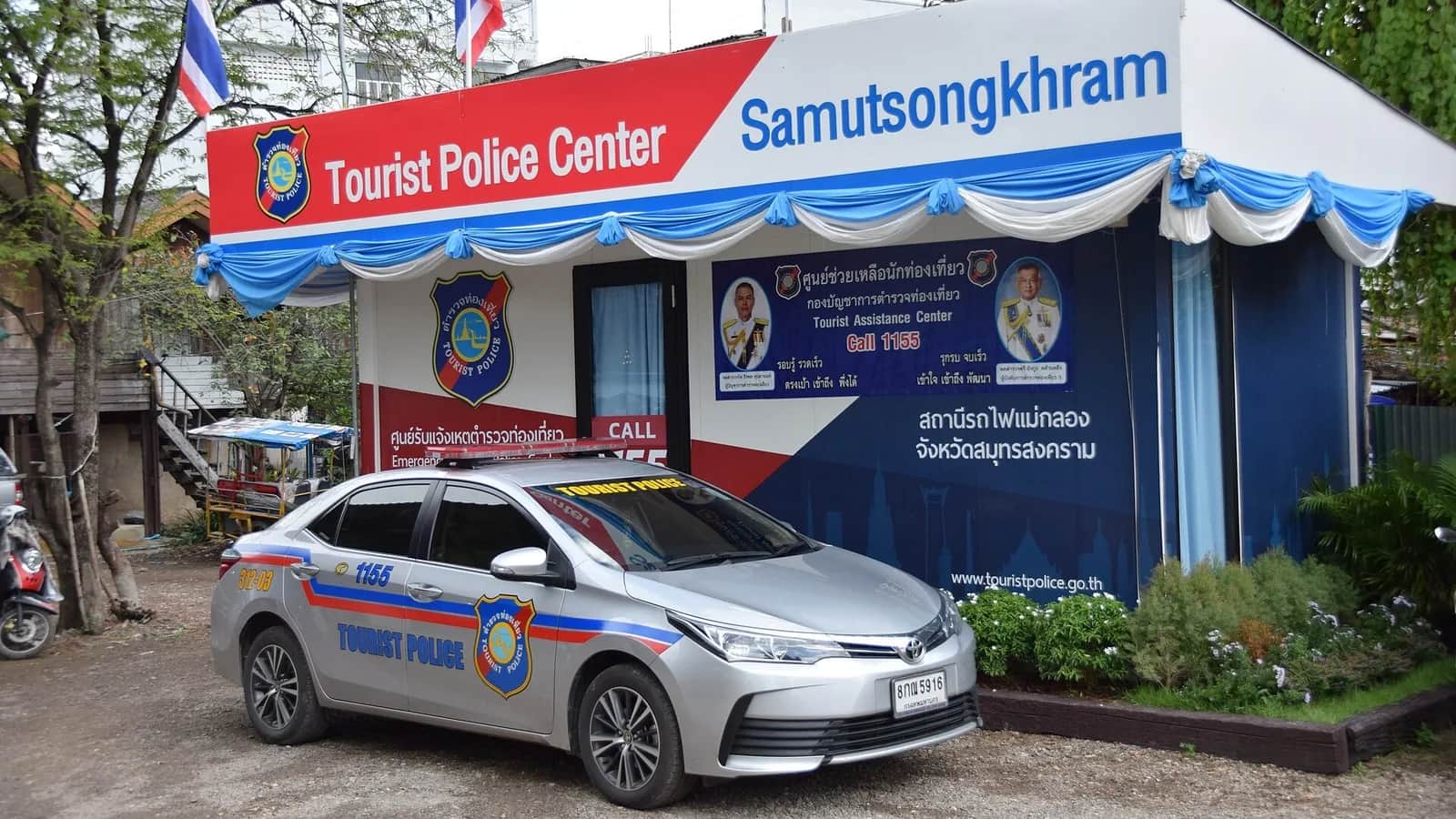
Is Thailand safe? Yes, for the Thailand holiday most people take. The US State Department rates Thailand Level 1, exercise normal precautions, since 7 July 2026, and the UK and Australia warn only about two border areas far from Bangkok, Chiang Mai and the islands. What hurts visitors is more ordinary: scooters, rip currents, scams and spiked drinks. We read the official advisories and checked every figure on 14 November 2026.
Is Thailand safe to travel in 2026? What the advisories say
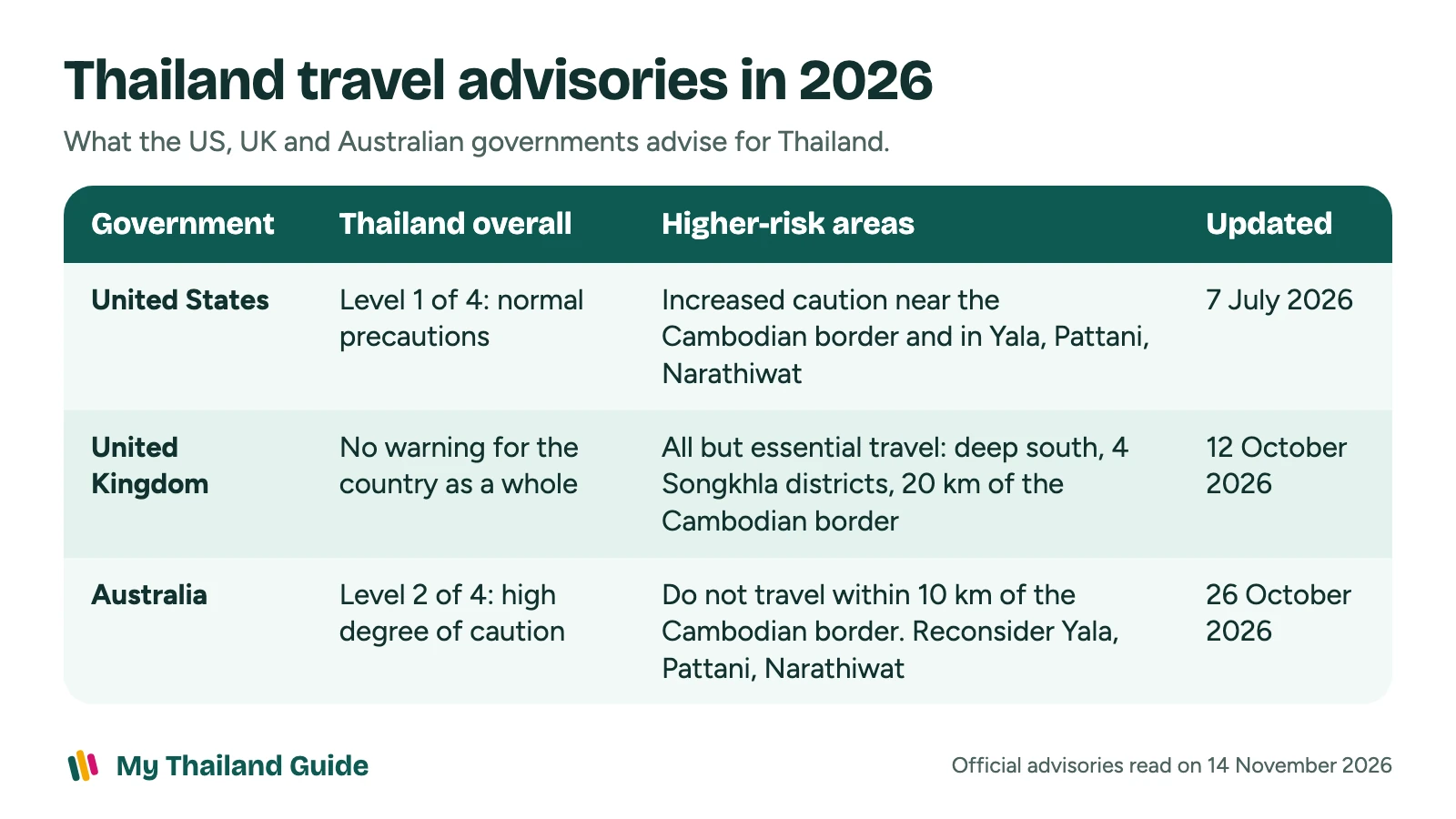
The three governments that most English-speaking travellers read agree on the map. Thailand as a whole is open to tourists, and the warnings cover the Cambodian border and the three southern provinces near Malaysia. They differ on the overall tone, from normal precautions in the US to a high degree of caution in Australia.
| Advisory | Thailand overall | Higher-risk areas | Last updated |
|---|---|---|---|
| US State Department | Level 1 of 4, exercise normal precautions | Increased caution near the Thai-Cambodian border and in Yala, Pattani and Narathiwat | 7 July 2026 |
| UK Foreign Office (FCDO) | No warning against the country as a whole | All but essential travel: Pattani, Yala, Narathiwat, four districts of Songkhla, 20 km of the Cambodian border | 12 October 2026 |
| Australia, Smartraveller | Level 2 of 4, exercise a high degree of caution | Do not travel within 10 km of the Cambodian border. Reconsider Yala, Pattani and Narathiwat | 26 October 2026 |
Some insurance blogs still quote a US Level 2. That rating is out of date. The current US text opens with a plain sentence: Thailand is generally a safe destination for travelers. Advisories change with events, so read the one from your own government a few days before you fly.
Areas of Thailand to avoid in 2026
Two parts of the country carry warnings, and neither is on a usual holiday route. A third, the Myanmar border, calls for care rather than avoidance.
The deep south: Narathiwat, Pattani, Yala and part of Songkhla
A low-level insurgency has gone on for two decades in the three provinces on the Malaysian border. Australia describes coordinated bombings, including second blasts timed to hit people who respond to the first. The UK advises against all but essential travel to Pattani, Yala and Narathiwat and to the Songkhla districts of Chana, Thepa, Na Thawi and Saba Yoi.
Hat Yai, the main city of Songkhla, is not on that list. The UK does include the Hat Yai to Padang Besar railway, the line many backpackers take to Malaysia. Fly or take the bus via the Sadao crossing instead, and check that your insurance covers the region before you go.
Thailand-Cambodia border: is Thailand safe from war?
Thailand closed its crossings with Cambodia in June 2025. Fighting broke out on 24 July 2025 and stopped with a ceasefire on 28 July, after more than 200,000 people had fled their homes. It started again on 8 December 2025, with air strikes, until a second ceasefire on 27 December 2025, which has held through 2026.
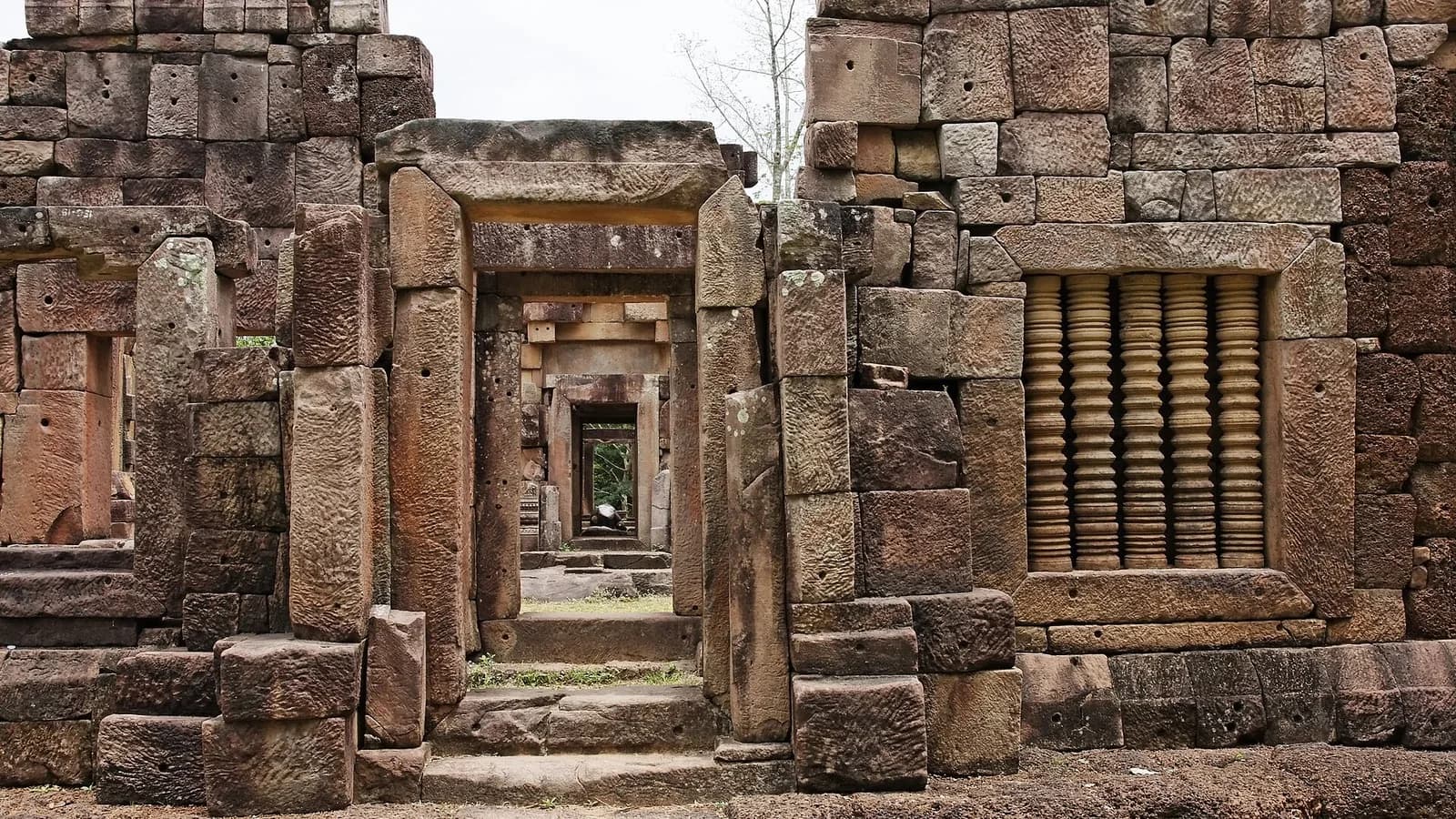
The border itself is still closed. On 31 October 2026 Prime Minister Anutin Charnvirakul said there was no date to reopen the crossings. Australia says do not travel within 10 km of the border in Sa Kaeo, Buriram, Si Saket, Surin, Ubon Ratchathani, Chanthaburi and mainland Trat, because of landmines. The border temples of Ta Muen Thom, Ta Kwai and Preah Vihear are inside that zone.
The islands of Trat province are not in the Australian zone, which names only the mainland. Ferries, hotels and tours to Koh Chang run normally. The UK zone is wider, 20 km from the border, so look at your route on a map if you drive along the coast towards Hat Lek.
The Myanmar border
Fighting inside Myanmar spills over now and then, and Australia warns of armed traffickers and bandits in border national parks. Towns like Mae Sot and Mae Sai are open, but stick to main roads, never cross illegally, and walk away from job offers that pay too well. Scam compounds across the river have trapped foreigners recruited that way.
Is Bangkok safe?
Violent crime against visitors is rare in Bangkok, a city of more than ten million people. Australia asks travellers to take extra care on Khao San Road, Sukhumvit and the nightlife streets late at night, where most assaults and thefts on tourists happen. Bag snatching from passing motorbikes is the street crime to plan for. Carry your bag on the side away from the traffic.
The bigger daily nuisance is the scam at the gates of the Grand Palace, the first of the things to do in Bangkok for most visitors. In September 2026 floods also put all 50 of the city's districts under a disaster declaration (see below), and both airports stayed open. Air quality can drop to unhealthy levels in the dry season, so people with asthma should check the index each morning.
Thailand road safety: scooters, licences and helmets
The road is the most serious risk in Thailand, by far. The World Health Organization estimates 18,218 road deaths in 2021, about 50 a day, a rate of 25.4 per 100,000 people. Thailand ranks ninth of 175 countries for road deaths, and 83.8% of the dead are motorcyclists.
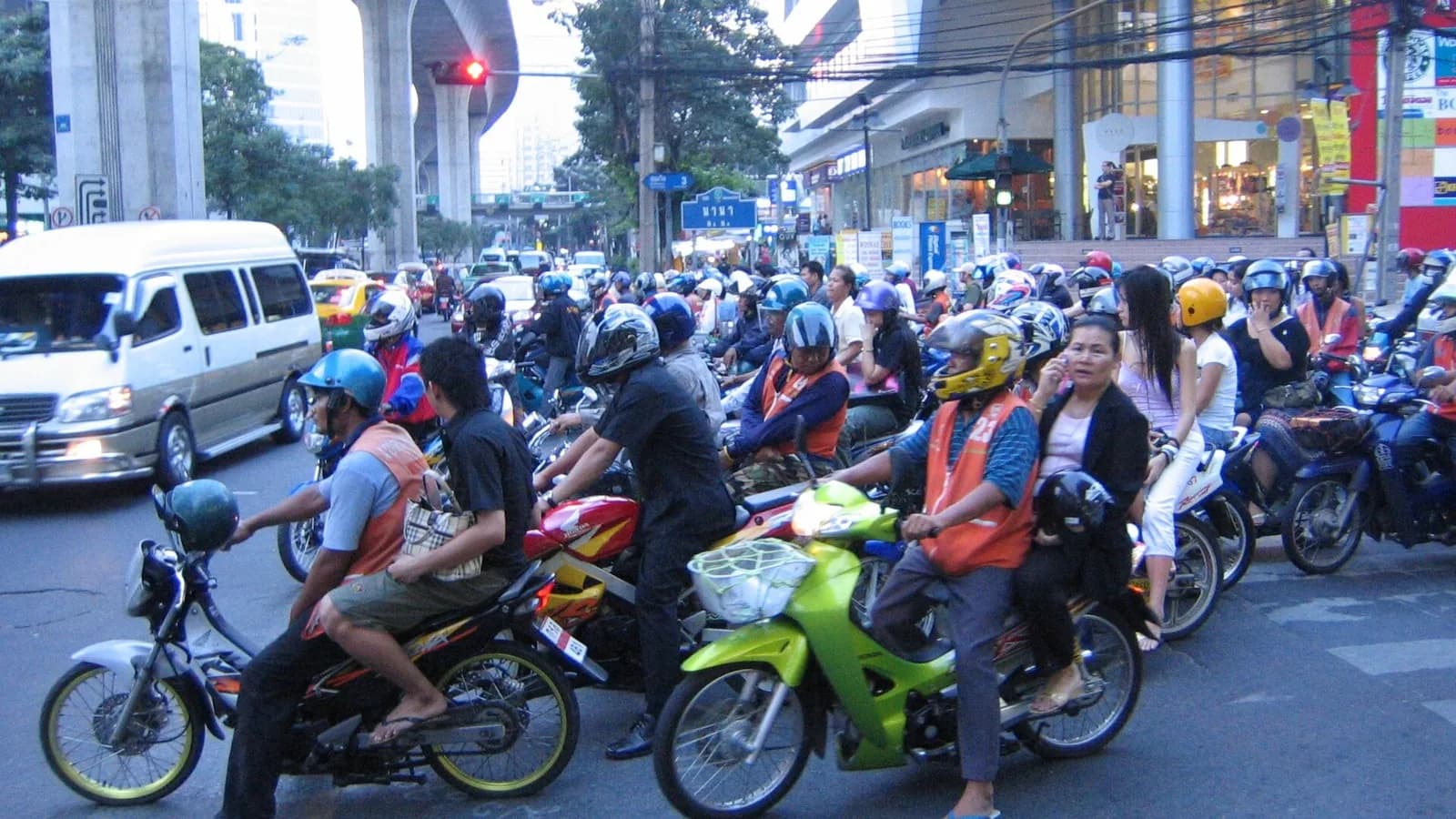
Renting a scooter takes five minutes and nobody checks your licence. The police do. To ride legally you need a motorcycle licence from home and an International Driving Permit that covers motorcycles. The UK specifies the 1968 version of the permit. Phuket police stopped 20,901 foreigners riding without a licence in 2025, according to local press.
- Helmet: compulsory by law for rider and passenger, and checked at roadside stops.
- Insurance: a travel policy can refuse a claim if you rode without the right licence or helmet.
- Passport: never leave it as a deposit. Pay a cash deposit and photograph the bike first.
Hilly islands are where beginners fall. On Koh Chang, the hill from Klong Son to White Sand Beach and the road south of Kai Bae are steep enough to take a taxi instead. Grab, Bolt and the shared songthaew pick-ups cost little in most towns, and they take the scooter out of the equation.
Thailand scams and how to avoid them
Scams cost money, rarely more. Most follow a script you can spot once you know it.
"The Grand Palace is closed today", the tuk-tuk and the gem shop
A friendly stranger near the Grand Palace says it is closed for a ceremony and offers a cheap tuk-tuk tour instead. The tour ends in a gem or tailor shop where the "investment" stones are worth a fraction of the price. The palace almost never closes. Even on 12 August 2026, a ceremony only cut ticket sales to the morning. Walk to the official gate and check for yourself.
Jet-ski damage
After the ride, the operator points to scratches that were already there and asks for hundreds of dollars, with your passport held as leverage. Film the jet-ski before you leave, never hand over your passport, and call 1155 if a dispute starts. The scam is most common on the beaches of Phuket, where officials fined 23 operators in a sweep in July 2026.
Taxis without the meter
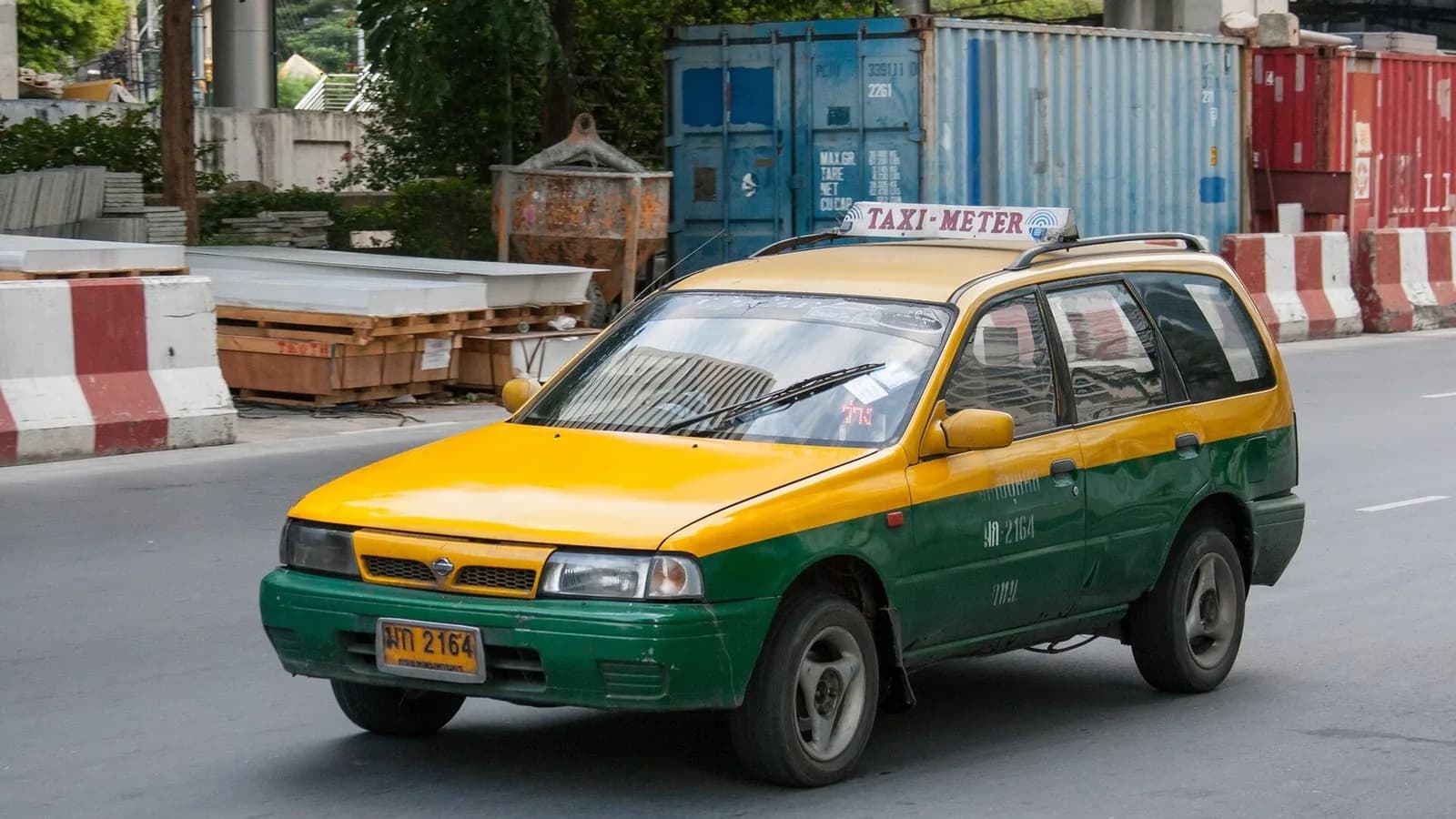
Bangkok taxis must use the meter. Near hotels and sights drivers often refuse and quote a flat fare two or three times higher. Get out and flag the next one, or book through Grab or Bolt, which show the price first. On islands like Phuket there are no meters at all, so agree the fare before you get in.
Money: ATMs and exchange
Thai ATMs charge foreign cards a fee per withdrawal, of 250 to 350 THB depending on the bank and the card network. The machine then offers to bill you in your own currency. Decline it and choose baht, because that conversion carries a worse rate. Change cash at bank counters or licensed exchange shops, count it at the window, and use ATMs inside banks or malls, where skimmers are rarer.
Bar bills and fake arrival card websites
In nightlife streets, pay for each round as it comes. Australia reports visitors charged for other customers' drinks and threatened when they refused. Before the trip, fill in the Thailand Digital Arrival Card only on the free .go.th website. Copycat sites charge up to 100 dollars for it.
Is Thailand safe for solo female travellers?
Many women travel alone in Thailand, and most report feeling at ease. The official warnings are specific. The UK says drink spiking and drug-assisted sexual assault happen in tourist areas, to men as well as women, and that attacks are most common at full moon parties and near bars late at night. Australia adds Koh Samui and the nightlife of Bangkok, Pattaya and Phuket.
- Watch your drink being made, and do not share the buckets sold on the beach.
- Drink branded, sealed bottles. Australia warns that a single shot of methanol-tainted spirit can kill.
- Agree with friends on how you get home before the night starts, and leave together.
- At Haad Rin on Koh Phangan, stay out of the sea after dark. Drowning is the risk most often reported there.
Thailand is also one of the easier countries in Asia for LGBTQ travellers. Same-sex marriage has been legal since 23 January 2025.
Is it safe to swim in Thailand? Red flags and rip currents
Drowning is a quiet risk next to the scooters. Lifeguards are rare and, in the words of Smartraveller, not up to Australian standards. The UK reminds travellers that people have drowned in strong riptides and asks them to follow every warning sign, especially red flags, which mean no swimming.
On the Andaman coast, from Phuket to Krabi, the sea is rough from about May to October. In 2026 a man was swept away at Nai Thon beach on 16 May, and two tourists were pulled out there on 11 July after swimming under red flags. On the Gulf side, around Koh Samui and Koh Phangan, the rough months are October to December.
- Caught in a rip, swim parallel to the beach, then back to shore.
- Do not swim after drinking or at night.
- On a boat trip, wear the life jacket and check the weather before you board.
Health risks in Thailand: dengue, water, rabies and hospitals
Dengue is the infection most visitors should think about. The Department of Disease Control counted 21,620 cases and 31 deaths from 1 January to 19 August 2026, fewer than over the same period of 2025. There is no pill against it, so use repellent day and night, most of all in the rainy season.
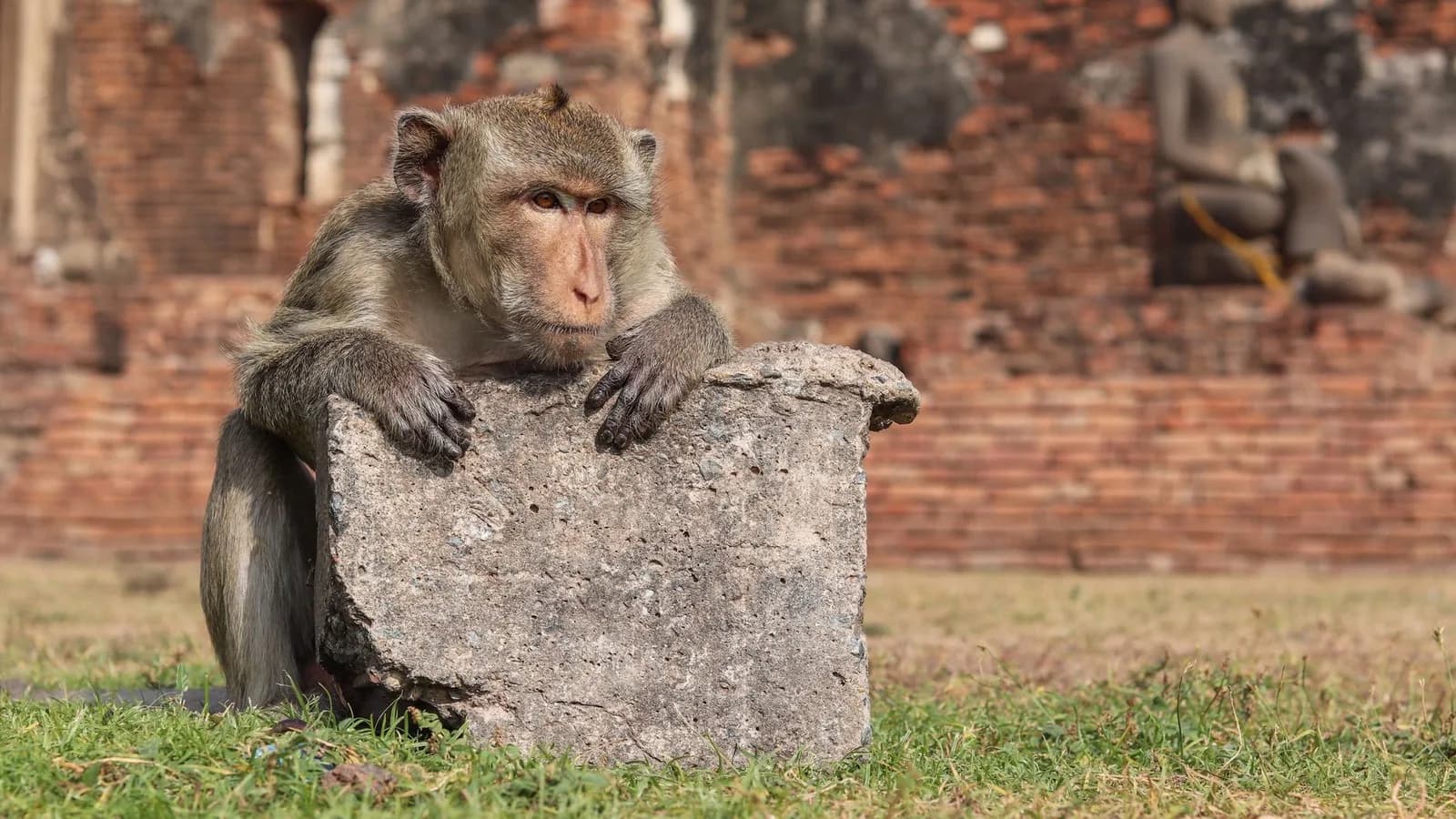
Rabies is present in dogs and monkeys. Do not feed or touch the macaques in Lopburi, at temples or on the beaches of Krabi. After any bite or scratch, wash it and get treatment the same day. Ask your doctor about the pre-trip vaccine and Japanese encephalitis if you will spend weeks in the countryside.
- Water: drink bottled or filtered water, and wash fruit you peel yourself.
- Air: smoke haze covers the north and north-east from about December to April, with Chiang Mai the worst hit.
- Heat: March to May is the hottest period. Drink often and rest at midday.
- Diving: decompression chambers exist in Koh Tao, Koh Samui, Phuket, Pattaya and Bangkok.
Private hospitals in Bangkok, Phuket and Chiang Mai are good, and doctors there speak English. They ask for a deposit or proof of insurance before admitting you, and the bills can be high. Outside big towns, care is limited and a serious case means a transfer. That is why every government advisory tells visitors to buy travel insurance that covers medical evacuation and the activities they plan, including riding a scooter.
Thai laws that surprise tourists: monarchy, vapes, cannabis and alcohol
A few Thai laws are much stricter than at home, and ignorance is not accepted as a defence. These are the ones that catch visitors.
| Law | What it says in 2026 | Penalty reported by official advisories |
|---|---|---|
| Monarchy (lèse-majesté) | No insult to the king or royal family, online included. Defacing a banknote with the king's image counts | Up to 15 years in prison |
| Vapes and e-cigarettes | Illegal to bring in, own or use, even one device. Heated tobacco is included | Fines of typically 5,000 to 30,000 THB, confiscation, detention. Up to 10 years for import |
| Cannabis | Medical use only, with a Thai prescription, since 25 June 2025. No smoking in public. No taking it abroad | Fines from 30,000 THB per kilo for taking it out of the country |
| Other drugs | Police may demand a urine test from anyone they suspect | Long prison terms. Death penalty possible for trafficking |
| Alcohol | Sales from 11 am to midnight, age 20 and over. No drinking in temples, parks or petrol stations | Fines |
| Smoking | Banned on beaches, in markets and at building entrances | Fines |
| Online reviews | Defamation is a criminal offence | Travellers have been arrested over negative reviews |
Alcohol on Buddhist holidays: what changed on 7 November 2026
Alcohol sales stop on five Buddhist holidays: Makha Bucha, Visakha Bucha, Asalha Bucha and the first and last days of Buddhist Lent. A notification in force since 7 November 2026 now lets five kinds of places sell on those days: international airports, licensed entertainment venues, registered hotels, venues in designated tourist areas and major events. Shops and ordinary restaurants still stop selling. Sales also stop around elections.
Two more rules surprise people. You must carry identification, so keep a copy of your passport on you. And gambling is illegal outside a few racecourses, poker included.
Floods and natural disasters in Thailand
Floods are the disaster most likely to change your plans. The rainy season runs from about May to November in the north and centre, and from October to December on the Gulf coast around Koh Samui. Flash floods and landslides can come with little warning in the hills.
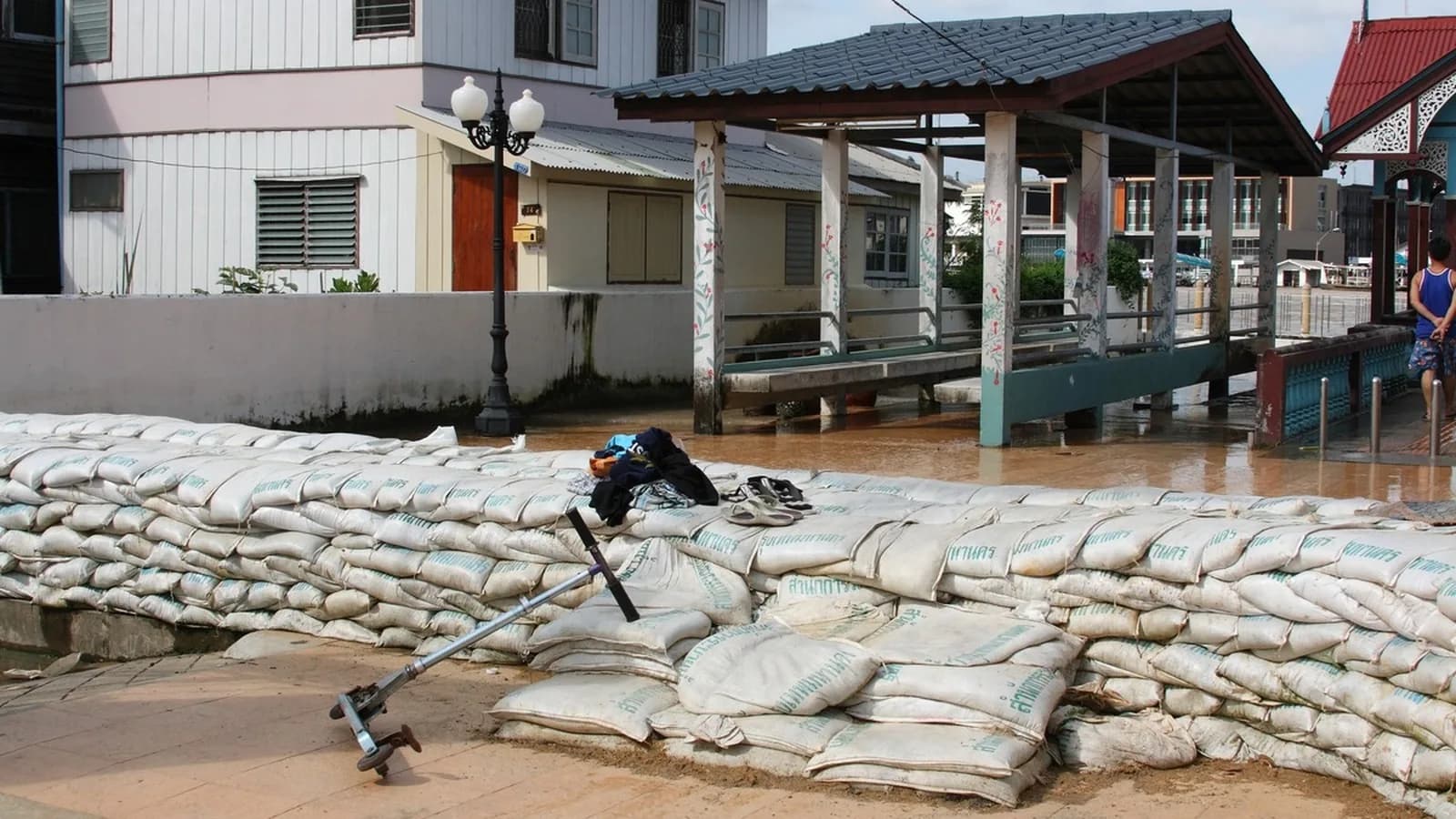
In late September 2026 Bangkok took about 320 mm of rain in three days, close to a normal month. The Interior Ministry counted 23 deaths in 42 provinces from 16 September. Suvarnabhumi and Don Mueang stayed open, though Thai Airways delayed most flights for two days. Phuket, Krabi, Koh Samui and Chiang Mai were not directly affected, according to the Tourism Authority of Thailand.
The south was hit a year earlier: floods around Hat Yai in November 2025 killed 145 people, according to official figures reported by the Thai Examiner. Allow a spare day around flights in the wet months, and turn on emergency alerts on your phone so you receive warnings from the Department of Disaster Prevention and Mitigation.
Earthquakes are rare but not unknown. In March 2025 a strong quake in Myanmar brought down a tower under construction in Bangkok. On the coast, move to high ground at once after a strong or long tremor, without waiting for a siren.
Thailand emergency numbers
Save these before you land. The Tourist Police exist for visitors and are usually the quickest way to an officer who speaks English.
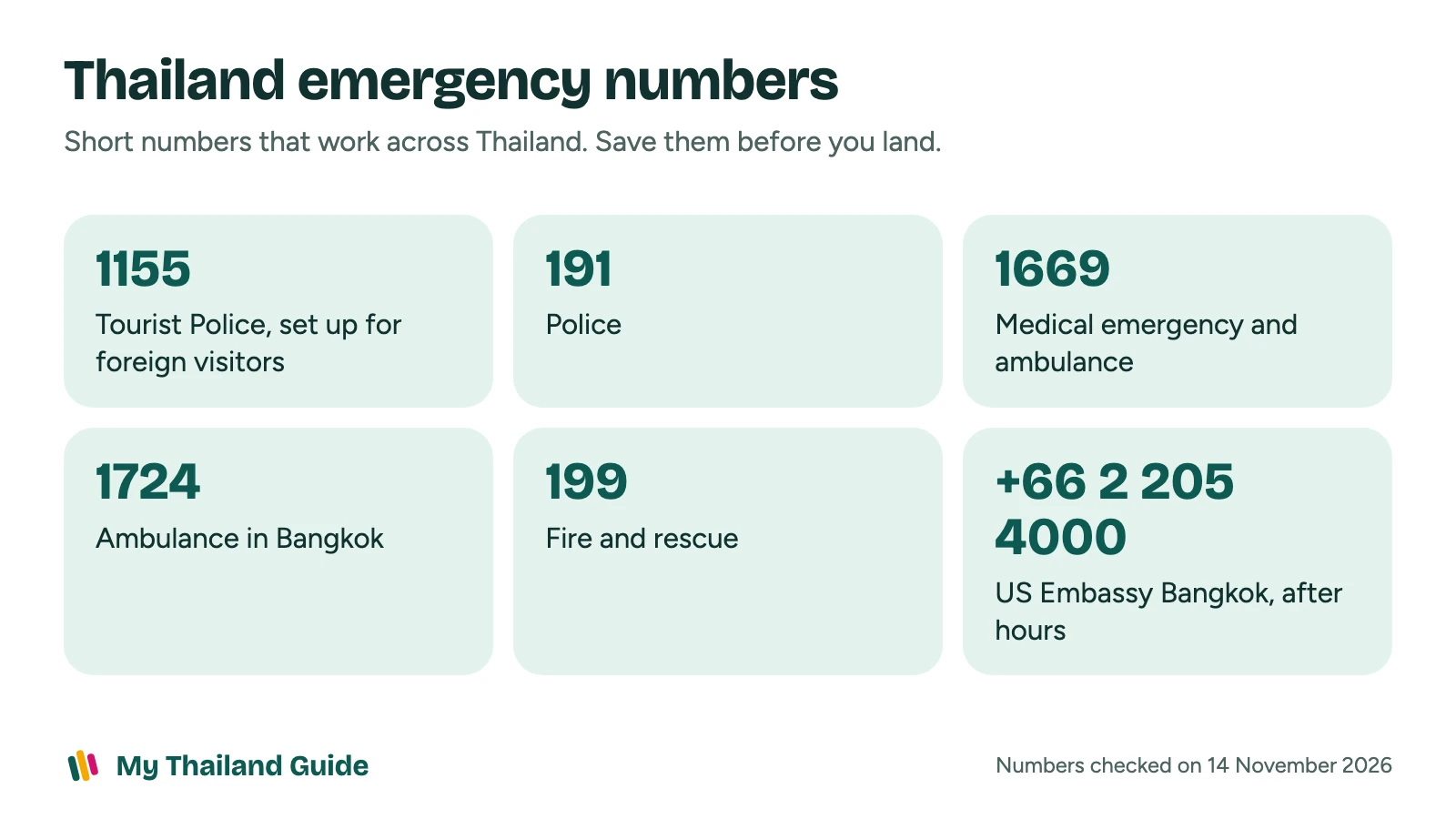
| Number | Service |
|---|---|
| 1155 | Tourist Police |
| 191 | Police |
| 1669 | Medical emergency and ambulance, nationwide |
| 1724 | Ambulance in Bangkok |
| 199 | Fire and rescue |
| +66 2 205 4000 | US Embassy Bangkok, emergencies after hours |
| +44 20 7008 5000 | UK Foreign Office in London, 24 hours, for British nationals |
What to do if something goes wrong in Thailand
- Get safe and get care. Call 1669 for an ambulance, or 1724 in Bangkok. Keep your insurance number on your phone, because hospitals ask for it at admission.
- Call the Tourist Police on 1155 for theft, assault or a dispute with a business. The unit exists to handle cases involving foreign visitors.
- Get a police report at the station that covers the place where it happened. Australia warns that without a report filed before you leave, you may not be able to bring charges later, and insurers need it.
- Call your embassy if you are arrested, badly hurt, or lose your passport. The US enrolls travellers in STEP for alerts, and the UK and Australia run 24-hour consular lines.
- Replace your passport through your embassy, then contact Thai immigration about your entry record before you fly out.